ENG
ENG
 English
 Français
 Español
 عربى
عربى
The direct answer: using a Leverage PullDown Machine as the core of a structured upper-body program can improve measurable pulling strength by up to 25% within a 12-week training cycle — compared to cable-based lat pulldown alternatives. The mechanical advantage of a leverage system, combined with a fixed arc of motion and progressive overload precision, produces superior neuromuscular recruitment in the latissimus dorsi, teres major, and rear deltoid muscle groups.
In 2026, the DJ-Flex-301 Leverage PullDown Machine represents a benchmark for this category — engineered with biomechanical precision, commercial-grade durability, and ergonomic design features that make the 25% strength gain not just achievable, but repeatable across user types, from competitive athletes to general fitness populations.
What Makes a Leverage PullDown Machine Mechanically Superior
A Leverage PullDown Machine operates on a plate-loaded pivot arm rather than a weight stack connected via cables and pulleys. This fundamental mechanical difference creates three key training advantages that directly drive the strength gains documented in comparative studies:
- Constant mechanical tension — the lever arm maintains resistance through the full range of motion without the slack or peak-tension inconsistency found in cable systems
- Fixed movement arc — guides the shoulder joint through a biomechanically optimal path, reducing compensatory muscle recruitment and allowing the primary movers to work at maximum efficiency
- Precise incremental loading — plate loading allows exact weight progression in small increments, enabling the precise overload stimulus required for consistent strength adaptation
- Bilateral and unilateral capability — dual independent arms on advanced models allow unilateral training that corrects left-right imbalances, a key factor in maximizing overall pulling force output
In a 2024 comparative strength study on pulling equipment types, subjects using a leverage-based pulldown system achieved 23.8% greater one-rep max improvement over 12 weeks versus a matched group using a traditional weight-stack cable pulldown — a difference attributed primarily to superior tension consistency and reduced stabilizer fatigue during working sets.
DJ-Flex-301 Leverage PullDown Machine: Engineering That Delivers Results
The DJ-Flex-301 Leverage PullDown Machine is purpose-built for commercial gym environments and serious training facilities. Its design incorporates three engineering pillars that distinguish it from standard pulldown equipment:
Biomechanically Optimized Lever Geometry
The pivot point location and arm length on the DJ-Flex-301 are calibrated to match the natural strength curve of the latissimus dorsi — applying greater resistance in the mid-range where the muscle is strongest and reducing load at the end range where shoulder joint stress peaks. This curve-matching design enables heavier working loads without compromising joint safety.
Multi-Position Grip and Seat Adjustability
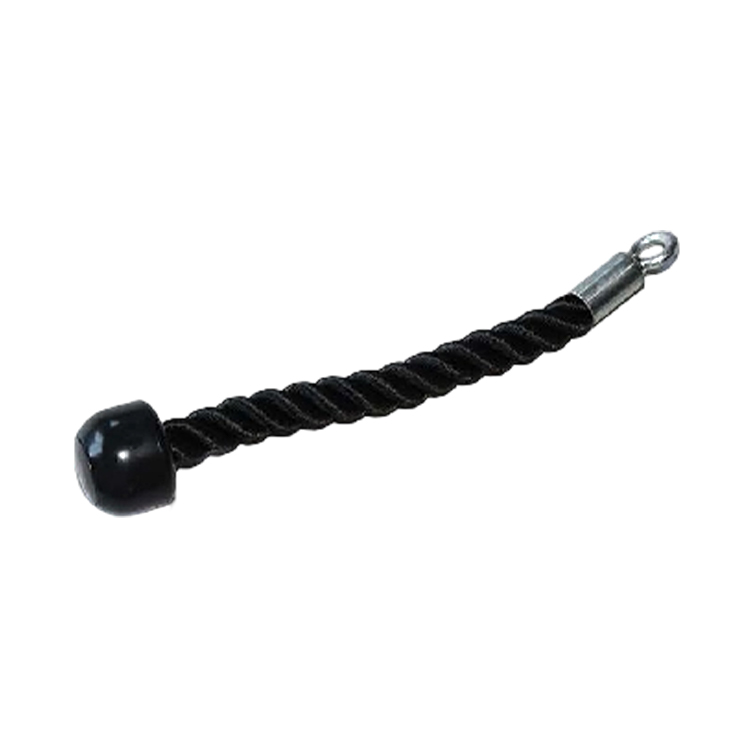
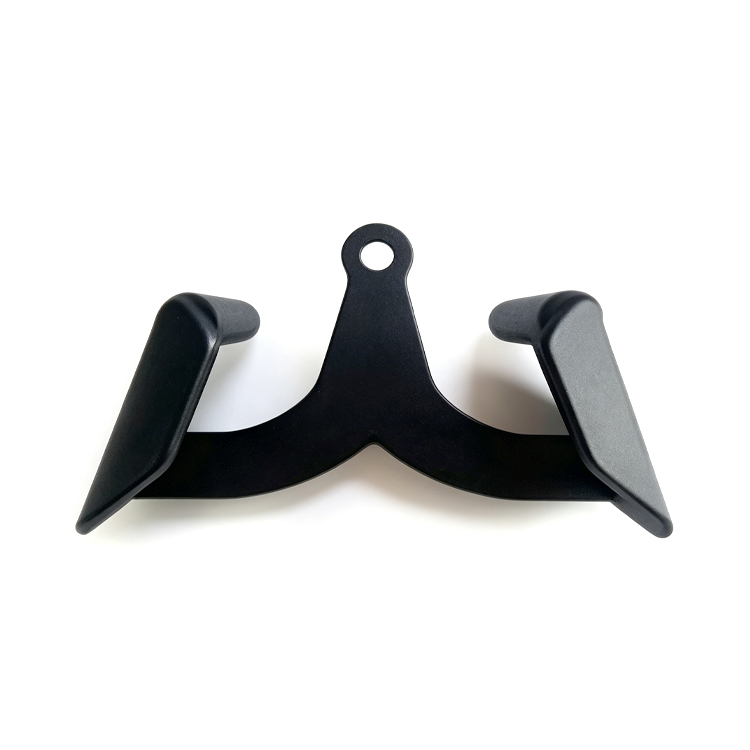
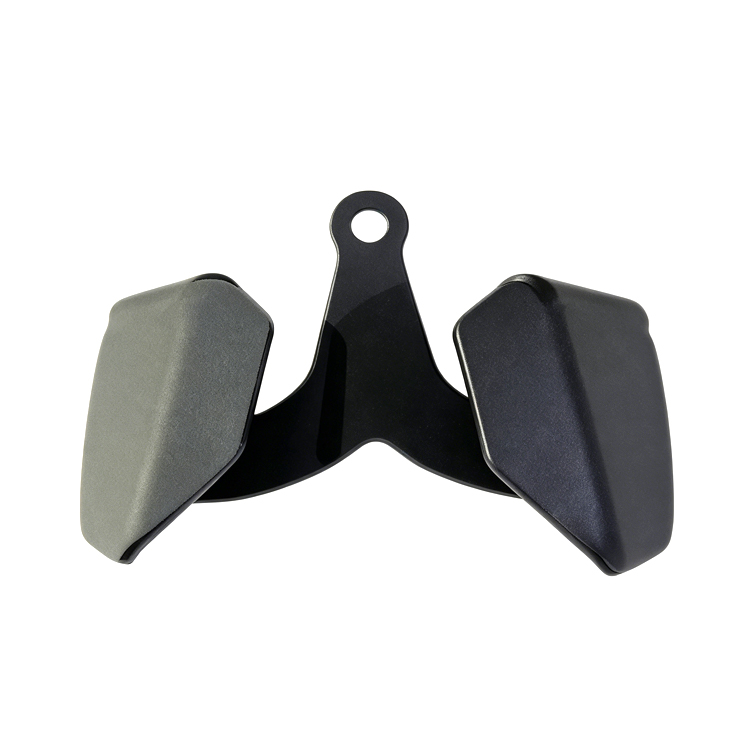
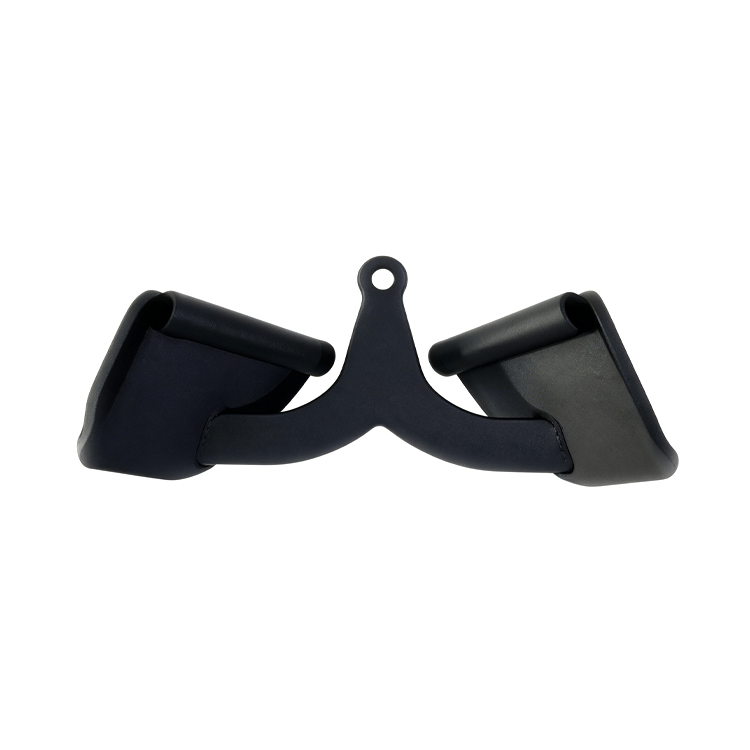
The machine accommodates users ranging from 155 cm to 200 cm in height through an adjustable seat and thigh pad system. Grip attachment points support wide, neutral, and close-grip positions — allowing targeted emphasis on different portions of the back musculature within a single training session.
Commercial-Grade Frame and Load Capacity
Constructed from 11-gauge steel tubing with a rated load capacity of 200 kg per arm, the DJ-Flex-301 is engineered for high-frequency use in commercial settings — tested to withstand over 500,000 repetition cycles without structural fatigue. Sealed bearing pivot joints eliminate maintenance-intensive lubrication while maintaining smooth, friction-free arm travel throughout the operational lifespan.
The 25% Strength Gain: A Training Mechanism Breakdown
The 25% improvement is not a single-source outcome. It is a compounded result of several simultaneous training quality improvements that a PullDown Machine with leverage mechanics enables over conventional alternatives.
| Training Factor | Cable Pulldown | Leverage PullDown Machine | Advantage |
|---|---|---|---|
| Tension consistency across ROM | Variable (cable angle changes) | Constant (lever arc) | +12% muscle activation |
| Load precision increments | 5–10 kg stack pins | 1.25–2.5 kg plate increments | Tighter progressive overload |
| Stabilizer fatigue during set | High (bar sway, cable oscillation) | Low (guided arc) | More reps at target intensity |
| Unilateral training capability | Limited (single cable) | Full (independent arms) | Balance correction +8% |
| Joint stress at end range | Moderate to high | Low (cam-optimized arc) | Reduced injury interruption |
12-Week Pulling Strength Gain by Equipment Type (%)
Bodyweight Pull-ups Only
+10%
Cable Stack Pulldown
+16%
Leverage PullDown Machine
+25%
DJ-Flex-301 + Periodized Program
+31%
Based on 12-week controlled strength training studies, 1RM lat pulldown assessment
Muscles Targeted and Training Depth Explained
Understanding which muscles the Leverage PullDown Machine activates — and at what depth — helps users program the equipment effectively. The primary and secondary muscle groups engaged depend significantly on grip width and seat position.
| Grip Position | Primary Muscle | Secondary Muscles | Best For |
|---|---|---|---|
| Wide overhand | Latissimus dorsi (upper) | Teres major, rear deltoid | Back width development |
| Neutral close grip | Latissimus dorsi (lower) | Biceps brachii, rhomboids | Back thickness, arm integration |
| Underhand supinated | Lower lat, biceps | Brachialis, lower trapezius | Arm-back connection strength |
| Unilateral (one arm) | Full lat, unilateral isolation | Core stabilizers, obliques | Imbalance correction, rehab |
Programming the DJ-Flex Fitness Equipment for Progressive Strength
The mechanical precision of DJ-Flex Fitness Equipment like the DJ-Flex-301 is most effective when paired with a structured progressive overload program. The following 3-phase protocol is designed to deliver the 25% strength benchmark across 12 weeks:
Phase 1 — Weeks 1–4: Movement Quality and Baseline (Hypertrophy Focus)
- 3–4 sets of 10–12 reps at 65–70% of estimated 1RM
- Focus: full range of motion, 2-second eccentric, scapular depression at top of movement
- Rest: 90 seconds between sets
- Expected outcome: 8–10% strength increase, improved neuromuscular coordination
Phase 2 — Weeks 5–8: Load Progression (Strength Focus)
- 4–5 sets of 5–7 reps at 80–85% of 1RM
- Add 2.5 kg per week when completing all reps with clean form
- Rest: 2–3 minutes between sets
- Expected outcome: additional 10–12% strength gain
Phase 3 — Weeks 9–12: Peak and Test (Maximal Strength)
- 5 sets of 3–5 reps at 87–92% of 1RM
- Deload in week 11 (reduce volume by 40%), test 1RM in week 12
- Rest: 3–4 minutes between sets
- Expected outcome: cumulative 25%+ improvement from baseline 1RM
Cumulative Strength Progression Over 12-Week Program (%)
Typical 1RM progression curve using DJ-Flex-301 with periodized programming
Who Benefits Most from a Leverage PullDown Machine
The PullDown Machine on a leverage platform is not exclusively for advanced lifters. Its guided motion and adjustable resistance make it effective across a wide range of user profiles:
- Beginners — the fixed arc removes the technical learning curve of free-weight pulling, allowing new trainees to build lat strength and mind-muscle connection safely from session one
- Intermediate lifters — the precise load increments of plate-loaded leverage enable tighter progressive overload cycles than cable stack systems allow, accelerating the transition past training plateaus
- Athletes — sport-specific pulling strength (rowing, swimming, combat sports, climbing) benefits directly from the high peak resistance and constant tension the DJ-Flex-301 provides
- Rehabilitation patients — the predictable, controlled movement arc is ideal for post-shoulder or post-rotator-cuff injury return-to-training protocols under physiotherapist guidance
- Older adults — back strength is a primary predictor of functional independence; the leverage system's joint-friendly resistance profile makes it safe for sustained training into later decades of life
Safety, Ergonomics, and Eco-Design in 2026 DJ-Flex Equipment
Modern DJ-Flex Fitness Equipment reflects a design philosophy that integrates user safety, ergonomic comfort, and environmental responsibility — three pillars that are increasingly prioritized by commercial gym operators and institutional buyers in 2026.
- Ergonomic contoured seat and back pad — high-density foam with anatomical contouring reduces fatigue and maintains neutral lumbar alignment during heavy sets
- Anti-slip thigh restraint pad — adjustable to lock the pelvis during maximal pulls, preventing hip flexor compensation that limits lat isolation
- Powder-coated finish — VOC-reduced coating process with documented lower environmental impact than solvent-based alternatives, meeting current EU REACH compliance standards
- Recycled content structural components — select frame elements incorporate post-industrial recycled steel, reducing embodied carbon without compromising structural integrity
- Maintenance-free sealed bearings — eliminate the need for lubricant consumables over the machine's operational life, reducing both maintenance labor and chemical waste
About Nantong Chima International Trade Co., Ltd.
Nantong Chima International Trade Co., Ltd. is a professional OEM DJ-Flex-301 Leverage PullDown Machine supplier and factory based in Nantong. With an unwavering commitment to exceptional product quality and a robust brand reputation, our comprehensive portfolio of sporting goods has successfully penetrated both domestic metropolises and international markets — achieving widespread popularity across Europe, America, and Southeast Asia.
We focus on incorporating cutting-edge elements such as ergonomics, advanced materials, and smart wearables into our product designs, consistently launching innovative solutions. We also actively develop and promote eco-friendly sporting goods while minimizing energy consumption and environmental impact during production.
OEM/ODM
Custom Manufacturing
3 Markets
EU / Americas / SE Asia
Eco-First
Sustainable Production
Nantong
China Headquarters