ENG
ENG
 English
 Français
 Español
 عربى
عربى
Standing Hip Thrusts are becoming an increasingly popular exercise in strength training and fitness routines. But what exactly are Standing Hip Thrusts, and how can they help you achieve your fitness goals?
What Is a Standing Hip Thrust?
The Standing Hip Thrust is a variation of the traditional Hip Thrust exercise, where you push your hips upwards while seated on the ground with your back against a bench. However, in the Standing Hip Thrust, instead of being on the ground or using a bench, you perform the movement while standing. This position challenges your glutes, hamstrings, and core in a new way.
In the standing version, you’ll typically hold a resistance band or weight, which you thrust upward by using your hip flexors and glutes. This creates a standing motion that mimics the hip thrust but without the need for equipment like a bench or a barbell. It can be performed almost anywhere, making it an accessible option for those looking to improve their lower body strength.
Benefits of Standing Hip Thrusts
1. Improved Glute Activation: One of the most notable benefits of the Standing Hip Thrust is the targeted activation of the glutes. By pushing your hips forward and engaging your glute muscles throughout the movement, you can effectively strengthen and tone the glutes. Stronger glutes contribute to improved posture, enhanced athletic performance, and injury prevention.
2. Core Stability: As you perform Standing Hip Thrusts, your core muscles are also engaged to maintain stability. The movement requires you to brace your abdominal muscles and lower back to control the upward thrust, leading to a stronger core over time.
3. Improved Hip Mobility: This exercise helps in promoting better hip flexibility and mobility. Regularly performing Standing Hip Thrusts allows you to achieve a full range of motion in your hips, which is crucial for daily activities and athletic movements.
4. Versatility and Accessibility: Unlike traditional Hip Thrusts that often require specialized equipment (such as a bench), Standing Hip Thrusts can be performed with minimal gear. You can do them with just your body weight or add resistance bands or dumbbells to increase difficulty. The versatility of the exercise makes it a great option for home workouts and fitness enthusiasts on the go.
5. Injury Prevention: Because the Standing Hip Thrust targets the hip flexors and strengthens the muscles surrounding the hip joint, it can reduce the risk of injury during activities that require lower body strength, such as running, cycling, or squatting.
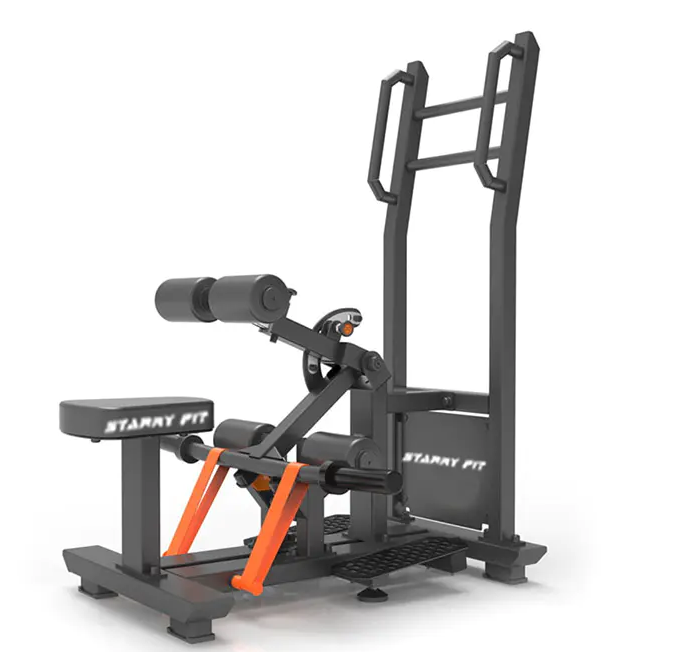
How to Perform the Standing Hip Thrust
Performing the Standing Hip Thrust correctly is key to avoiding injury and maximizing its benefits. Follow these steps to ensure proper form:
- Start Position: Stand with your feet hip-width apart. If you're using a resistance band, place it just above your knees or under your feet, depending on your preferred setup. If you're using a dumbbell, hold it in front of your hips.
- Engage Your Core: Before starting the movement, make sure your core is engaged. This helps protect your lower back during the thrust.
- Push Hips Forward: Push your hips forward while maintaining a slight bend in your knees. Make sure your glutes are engaged as you perform the thrust. The motion should be controlled and steady.
- Fully Extend: At the top of the thrust, your body should form a straight line from your head to your hips. Squeeze your glutes tightly at the top for a second.
- Lower and Repeat: Slowly lower your hips back to the starting position, maintaining control throughout the movement. Repeat for the desired number of repetitions.
Tips for Maximizing the Effectiveness of Standing Hip Thrusts
- Progressive Overload: Just like any other strength exercise, it’s important to progressively increase the difficulty of your Standing Hip Thrusts. This can be done by adding more resistance, either through heavier weights or more challenging resistance bands.
- Controlled Movement: Always focus on performing the movement slowly and with control. Fast, jerky movements can lead to injury, so take your time to ensure you are targeting the right muscles effectively.
- Incorporate Into Your Routine: Include Standing Hip Thrusts in your lower body workout routine for maximum benefit. They can be performed as a primary exercise for glutes or as a supplementary movement to other lower body exercises like squats or lunges.
- Mind-Muscle Connection: Focus on the muscle groups you’re working while performing the thrust. Mindfully engaging the glutes and hamstrings can enhance muscle activation and improve results.
Standing Hip Thrusts are an excellent exercise for improving glute strength, core stability, and hip mobility. Whether you’re a seasoned athlete or just starting out in your fitness journey, this exercise can be easily incorporated into your routine with little equipment required. By performing Standing Hip Thrusts consistently and progressively increasing the intensity, you can build a stronger, more functional lower body and achieve your fitness goals more efficiently.
Start adding Standing Hip Thrusts to your workout today and feel the difference in your strength and performance!