ENG
ENG
 English
 Français
 Español
 عربى
عربى
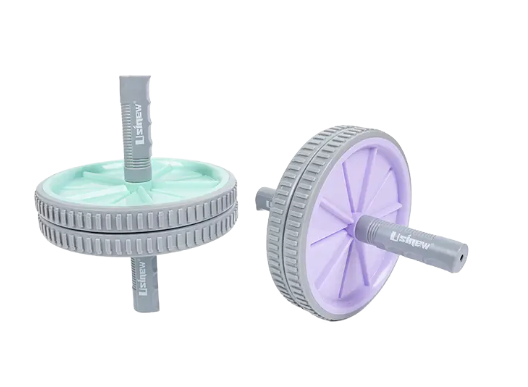
A fitness abdominal wheel is a very effective core muscle training tool that can help train muscles in multiple areas such as the abdomen, back, shoulders, and arms. It is suitable not only for gym training but also for home workouts. Proper use of the abdominal wheel can improve body stability, enhance core strength, and sculpt perfect abdominal lines.
While the fitness abdominal wheel is highly effective, improper use can lead to injury or prevent the desired training results. Therefore, understanding the tips and precautions for using a fitness abdominal wheel is very important.
1. Tips for using a fitness abdominal wheel
(1) Choosing a suitable abdominal wheel
Before starting to use an abdominal wheel, you should first choose one that suits you. There are many types of abdominal wheels on the market. Some have a double-wheel design, providing better stability and suitable for beginners; while others have a single-wheel design, suitable for those with some training experience. When choosing, you can select according to your training level, goals, and comfort.
(2) Warming up properly
Before starting abdominal wheel training, make sure to warm up appropriately. Warming up increases blood circulation to muscles and reduces the risk of injury. Recommended warm-up methods include light aerobic exercise (such as skipping rope or jogging) and dynamic stretching (such as standing or kneeling side bends, shoulder rotations, etc.). These movements effectively activate the core muscles and prepare them for training.
(3) Mastering the Correct Posture
The correct posture is key to ensuring effective and safe ab wheel training. The following is the standard ab wheel training posture:
Kneeling Starting Position: Kneel on the ground with your knees hip-width apart. Hold the ab wheel handles with your hands, arms naturally perpendicular to the ground, keeping your shoulders, hips, and knees in a straight line.
Core Engagement: Before starting to roll the ab wheel, engage your core muscles (abdominal and lower back muscles), maintaining the natural curve of your lower back and avoiding excessive bending.
Slow Forward Movement: When using the ab wheel, slowly roll it forward, trying to maintain control and avoid sinking. Keep your knees, hips, and shoulders straight as the ab wheel rolls forward, avoiding sagging or leaning forward. Returning the ab wheel: When the ab wheel reaches its maximum extension position, stop rolling and then slowly return it to the starting position using your abdominal muscles. Ensure the process is stable and avoid excessive force using your arms.
(4) Controlling the speed of movement
The core of ab wheel training lies in controlling the speed and stability of the movement. When rolling the ab wheel, do not rush to complete the movement; excessively fast movements may lead to incorrect posture and poor training results. Beginners are advised to practice slowly and in a controlled manner, gradually increasing the range and speed of the movement.
(5) Gradually increasing difficulty
For beginners, it is not necessary to try the maximum range of motion of the ab wheel at the beginning. You can start with short-distance rolling and gradually increase the range and difficulty of the movement as your core strength increases. If you find it difficult, you can choose to support yourself with your knees until you can successfully complete the full-body extension training.
2. Precautions for using a fitness abdominal wheel
(1) Keep your back neutral and avoid bending
The most common mistake when using an abdominal wheel is bending your back. This not only fails to effectively train your abdominal muscles but can also lead to lower back injury. Always maintain the natural curve of your back and avoid lower back sagging. Control your core muscles to ensure your abdomen remains tight throughout the exercise.
(2) Avoid overtraining
Beginners should avoid performing too many abdominal wheel exercises at once. Overtraining can lead to muscle strain or excessive joint stress. It is recommended to gradually increase the number of training sessions each time, performing 2 to 3 sessions per week. If you feel discomfort or pain, stop training immediately, rest, and recover.
(3) Hand and knee position
When using an abdominal wheel, apply force evenly with both hands to ensure your knees remain in a stable position. Especially when you roll the ab wheel away from your body, it is easy to experience uneven force on the knees. Your hands should provide sufficient support to maintain the stability of the entire movement.
(4) Suitable Surface and Support
When performing ab wheel training, it is recommended to choose a flat, firm surface. If the surface is too soft or uneven, the ab wheel may have difficulty rolling or incorrect posture due to uneven friction. Furthermore, it is best to train on a yoga mat or soft mat to reduce discomfort from direct contact between the knees and the ground.
(5) Avoid Overstretching
Beginners are prone to unnecessary stretching and even injury due to pursuing excessive range of motion. When starting practice, avoid rolling the ab wheel too far, especially avoiding full extension of the body to prevent overstretching of the back or shoulders. Always maintain a suitable range of motion to ensure safety and effectiveness.
3. How to Optimize the Effect of Ab Wheel Training?
(1) Combine with Other Training
Although the ab wheel is a very effective core training tool, for a comprehensive body workout, it is recommended to combine ab wheel training with other exercises (such as push-ups, planks, dumbbell exercises, etc.). This can enhance overall muscle strength and improve overall physical fitness.
(2) Gradually Increase Training Intensity
As core strength improves, you can try increasing the intensity of your ab wheel training. For example, try standing ab wheel exercises or using unilateral rolling movements, which can effectively improve abdominal and core strength.
(3) Increase Exercise Frequency
To achieve the best training results, you can gradually increase the number of repetitions or frequency per session. For example, start with 10-12 rolls per session and gradually increase to 20-30, or adjust the training intensity according to your own situation.
The ab wheel is a very effective training tool. With proper use, it can significantly improve core strength, enhance body stability, and sculpt ideal abdominal lines. However, maintaining correct posture, controlling the speed of movements, gradually increasing the training difficulty, and paying attention to injury prevention are key to maximizing the effectiveness of ab wheel training.
With proper usage techniques and precautions, you can efficiently perform ab wheel training at home or in the gym to achieve ideal fitness results. Remember, safety is always the top priority; while enjoying the training results, also protect your body.