ENG
ENG
 English
 Français
 Español
 عربى
عربى
What Commercial Gym Equipment Really Means
Commercial gym equipment refers to fitness machines and accessories built to a heavier duty specification than home fitness gear, engineered to withstand many hours of daily use from multiple users rather than occasional use by one household. The category spans cardio machines, selectorized strength machines, free weight stations, and Strength Training accessories such as dumbbells, barbells, and functional training tools, all built around frame strength, load rating, and part replaceability rather than compact size or light weight.
Four things generally separate a commercial grade piece from a home version, the gauge of steel used in the frame, the rated duty cycle of moving parts such as cables and bearings, the density and coverage of grip and upholstery material, and how easily worn components can be swapped without replacing the whole unit. A facility that mixes cardio, selectorized machines, and open floor strength training equipment tends to plan around these four points before looking at anything else.
Core Categories of Commercial Fitness Equipment
Most commercial fitness equipment on a gym floor falls into a small number of categories, each serving a different part of a workout. The table below groups the categories that appear on nearly every commercial floor plan.
| Category | Typical Examples | Primary Role |
|---|---|---|
| Cardio Machines | Treadmills, ellipticals, bikes, rowers | Sustained cardiovascular conditioning |
| Selectorized Strength Machines | Pin loaded press, pulldown, leg press | Guided resistance along a fixed path |
| Free Weight and Strength Training Equipment | Dumbbells, barbells, plates, racks | Open pattern strength training and progressive load work |
| Functional Training Accessories | Resistance bands, ab wheels, grip trainers, balance boards | Core work, mobility and accessory conditioning |
| Recovery and Mobility Tools | Foam rollers, stretching mats, mobility bands | Warm up, cool down and injury prevention support |
Free weight and strength training equipment usually gets the heaviest rotation on a commercial floor because it serves the widest range of training goals, from beginner conditioning through advanced progressive overload work, which is why this category is often the first area operators look to expand.
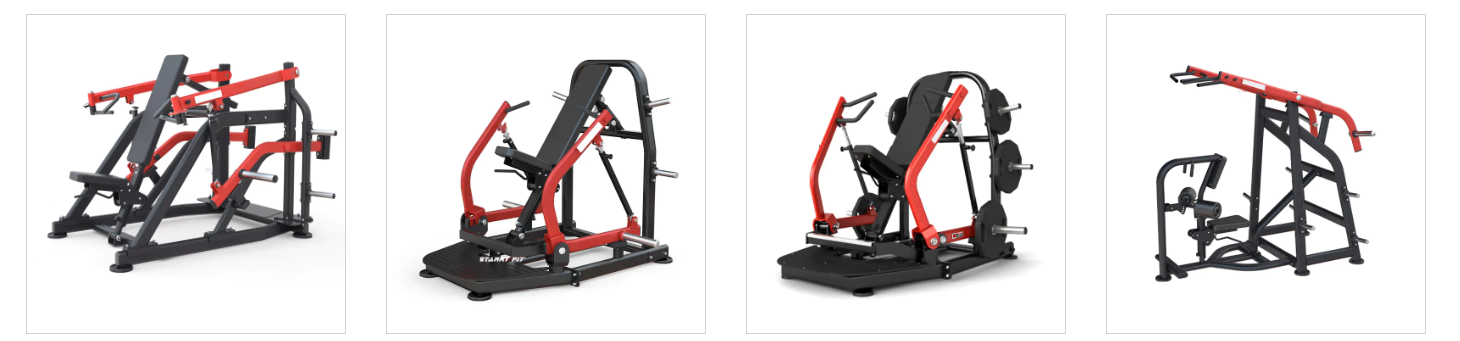
Strength Training Equipment Inside a Commercial Gym
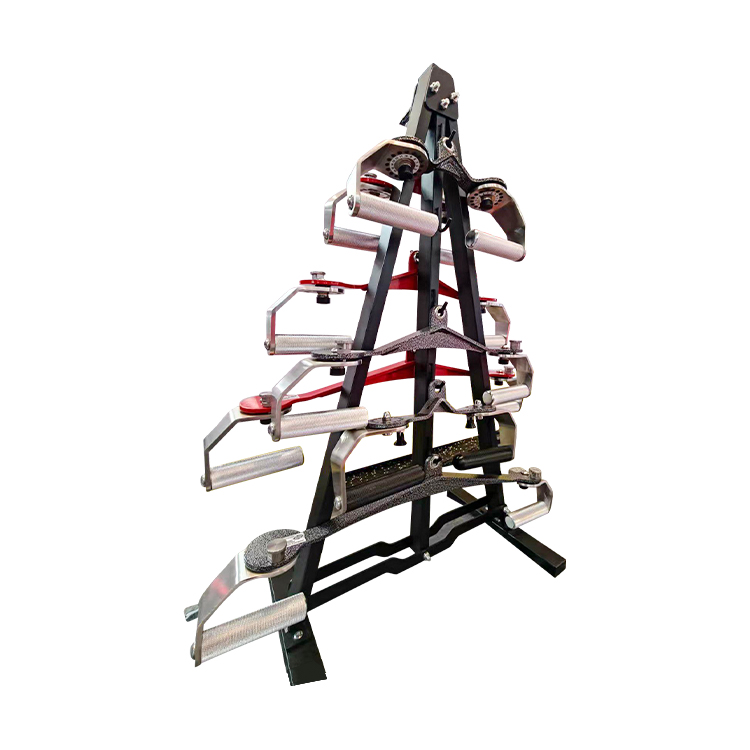
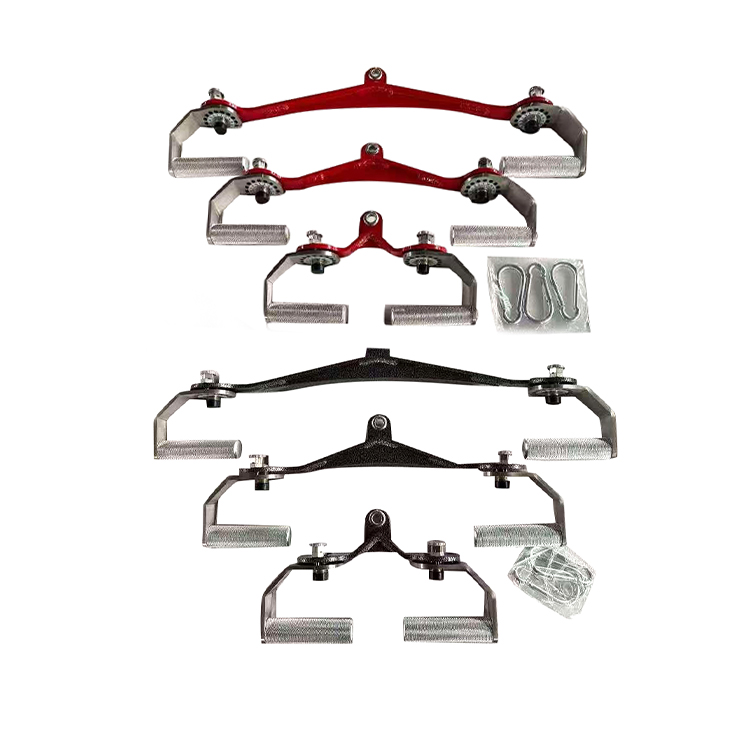
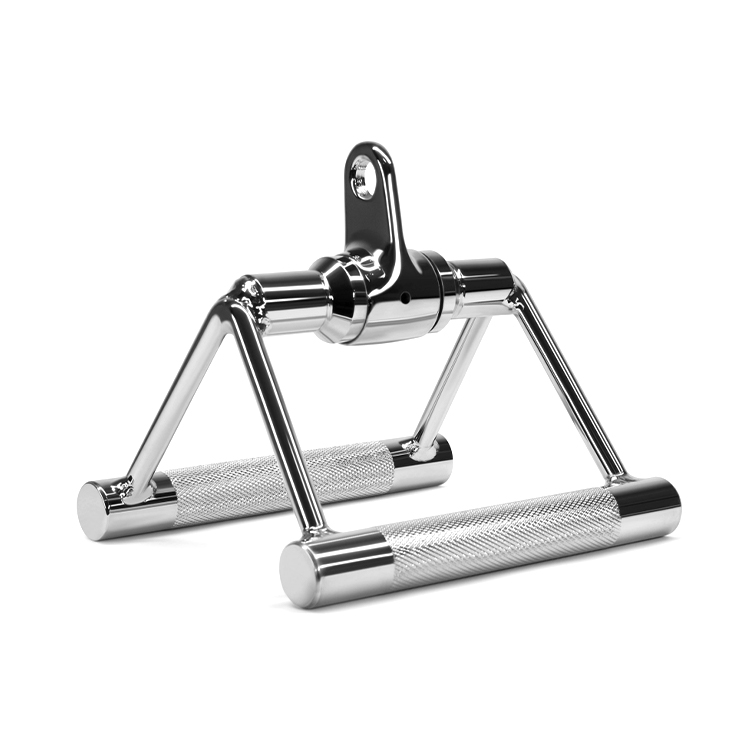
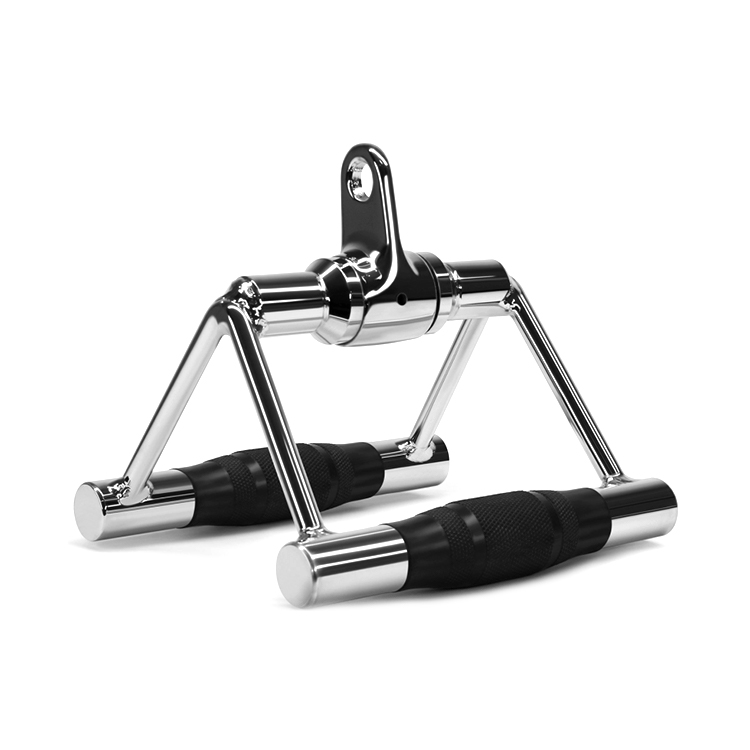
On a commercial floor, strength training equipment usually means dumbbell sets running from very light pairs up to heavy pairs for advanced lifters, fixed and Olympic barbells with a rated load well above what a single lifter will ever load onto the bar, and a growing range of accessories such as ab wheels, grip trainers and twisting boards that support core and grip work between main lifts. Because these pieces move from user to user throughout the day without any downtime for adjustment, the housings, knurling and coating need to resist repeated dropping, racking and hand contact far more than a home set would ever experience.
The chart below shows a relative usage frequency index across common strength training equipment types found on a typical commercial floor.
Relative usage frequency index for common strength training equipment on a commercial floor
Typical Equipment Usage Patterns in a Commercial Setting
Average daily usage hours differ noticeably between equipment categories, which is one reason commercial gym equipment cannot share a duty rating with home fitness equipment. The column chart below presents illustrative average daily usage hours by category on a busy commercial floor.
Illustrative average daily usage hours by commercial gym equipment category
The free weight and strength training area often sits close behind cardio in daily usage hours, which puts real pressure on frame welds, knurling, and coating durability across an entire dumbbell rack rather than on any single piece of equipment.
Commercial Duty Cycles and Equipment Lifespan
Wear accumulates steadily under commercial duty cycles, and the pattern is fairly predictable once a facility understands how its equipment gets used. The line chart below illustrates a general wear index climbing over five years of typical commercial use.
Illustrative wear index progression across five years of commercial duty cycle use
Frame fatigue at weld points, bearing wear inside pulleys, and abrasion on grip surfaces are the three factors that drive most of this curve, which is why a commercial gym equipment manufacturer usually designs replacement components to be swapped without retiring the whole frame.
Home vs Commercial Gym Equipment Compared
The difference between home and commercial gym equipment shows up clearly once several attributes are compared side by side rather than looked at one at a time. The radar chart below scores both categories from one to five across six practical attributes.
Commercial grade equipment Home fitness equipment, scored one to five per attribute
Home equipment tends to score better only on footprint efficiency, since it is built to fit into a spare room rather than a dedicated floor plan, while commercial gym equipment scores higher across load capacity, duty cycle rating and serviceability, the three areas that matter most once multiple users share the same piece every day.
Materials and Construction That Hold Up to Daily Use
The best material for gym equipment depends on the part in question, but a few choices repeat across almost every commercial catalog because they hold up well under constant contact and repeated loading.
- Heavy gauge steel tubing for frames, typically thicker than what appears in home equipment, to resist flexing under repeated heavy loading.
- Powder coat or e-coat finishing on frames to resist corrosion from sweat and repeated cleaning.
- High density rubber or urethane coating on plates, dumbbell heads and ab wheels to reduce noise and protect flooring.
- Reinforced stitching and higher density foam on grips, handles and padded contact points.
- Sealed bearing pulleys and coated cables on selectorized and functional pulling equipment to reduce wear from constant motion.
Choosing the right combination of these materials for each part, rather than applying one specification across an entire product line, is usually what separates equipment that stays serviceable for years from equipment that needs early part replacement.
Working With a Gym Equipment Manufacturer or Supplier
Facility operators and distributors evaluating a gym equipment manufacturer or a commercial fitness equipment supplier tend to weigh a similar set of priorities before placing an order. The chart below ranks common evaluation priorities on a relative importance index.
Relative importance index for common gym equipment supplier evaluation criteria
Buyers sourcing from a wholesale gym equipment supplier or an OEM gym equipment manufacturer generally look for a wide product range so that cardio, strength training, and functional accessory categories can be sourced together, alongside packaging built for long distance export shipping rather than short domestic delivery. A custom gym equipment manufacturer that can also support private labeling and product specification changes tends to fit distributors serving several regional markets at once.
- Ask whether the factory supports both standard catalog items and custom specification requests.
- Review how broad the product range is across strength training, functional and accessory categories.
- Check that export packaging is built for ocean freight rather than a single domestic delivery standard.
- Confirm the supplier can maintain consistent welding and coating quality across large production runs.
Manufacturing Strength Training and Fitness Accessories at Scale
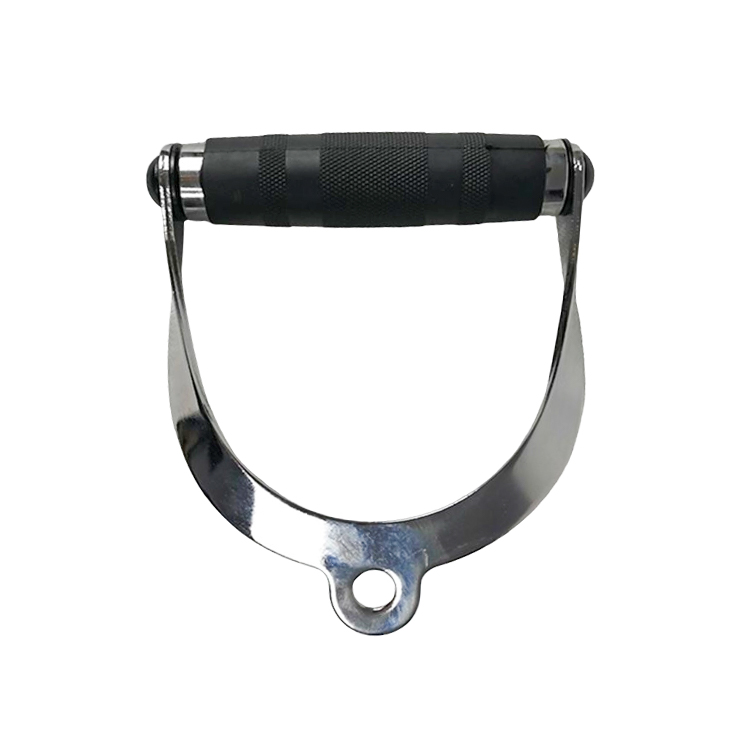
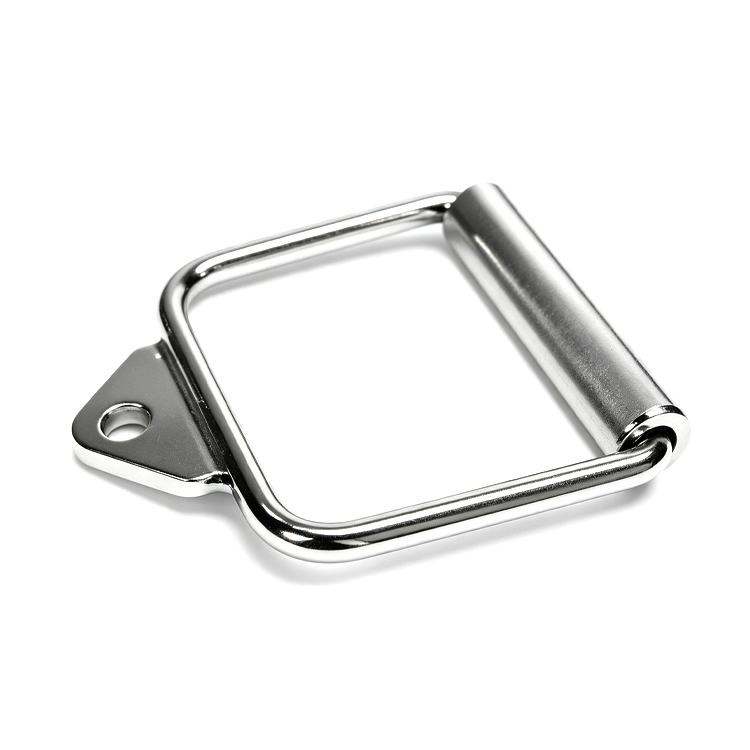
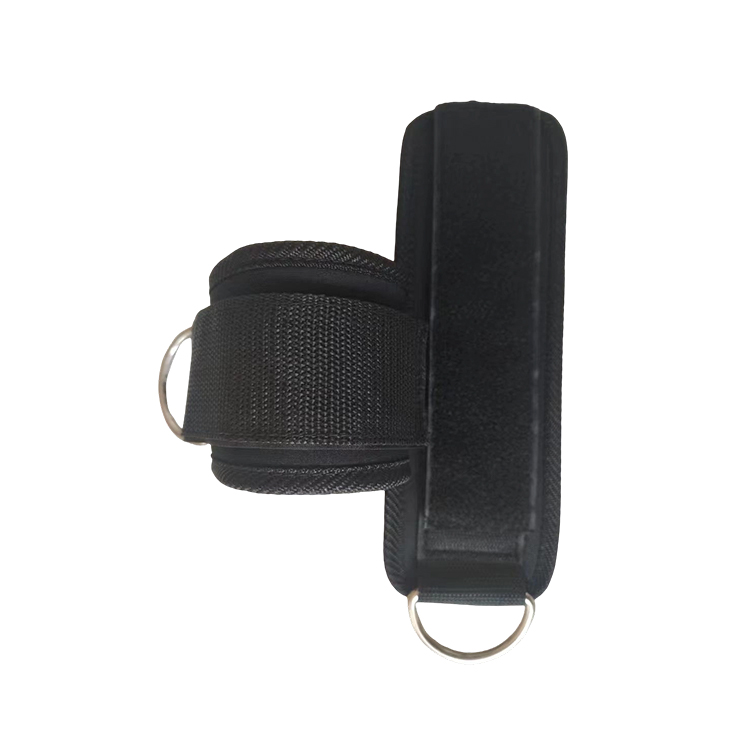
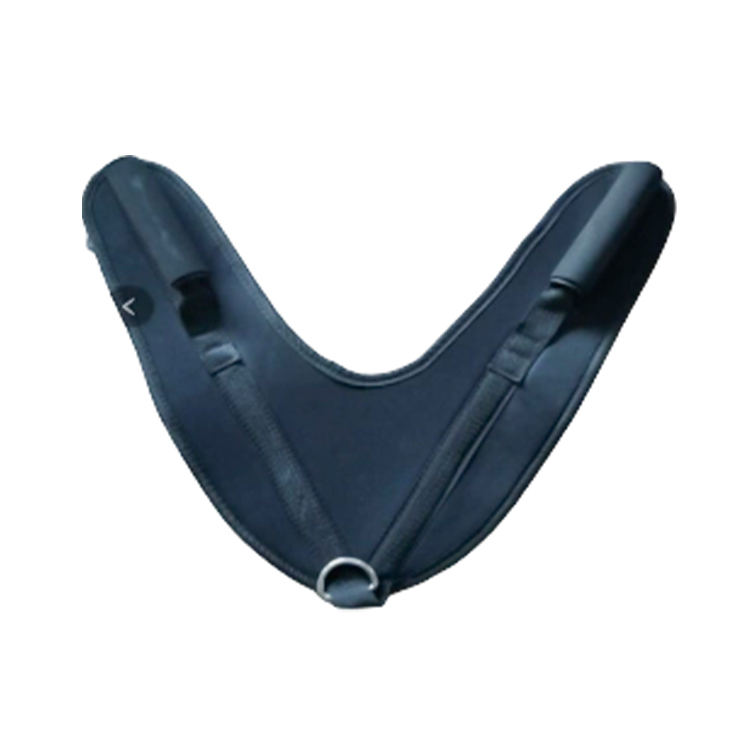
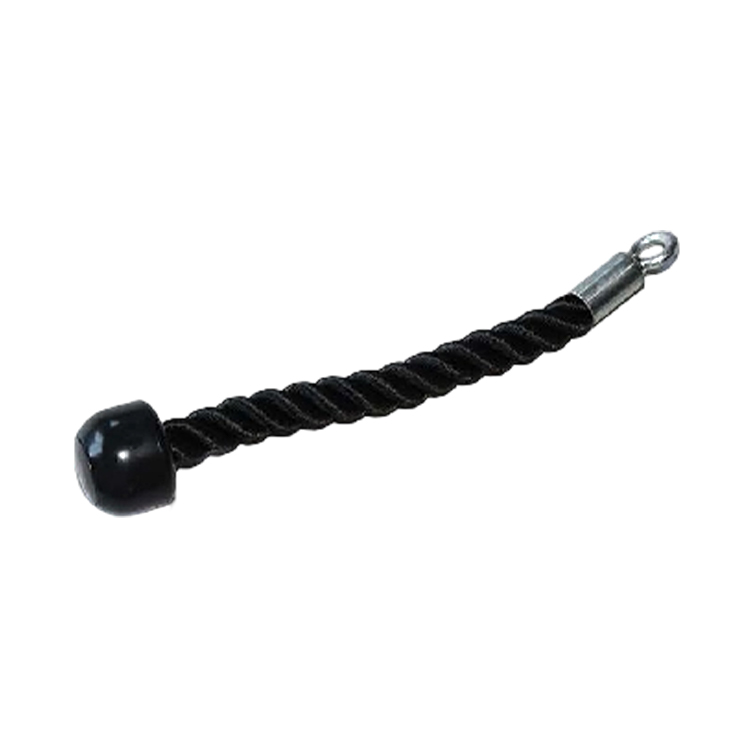
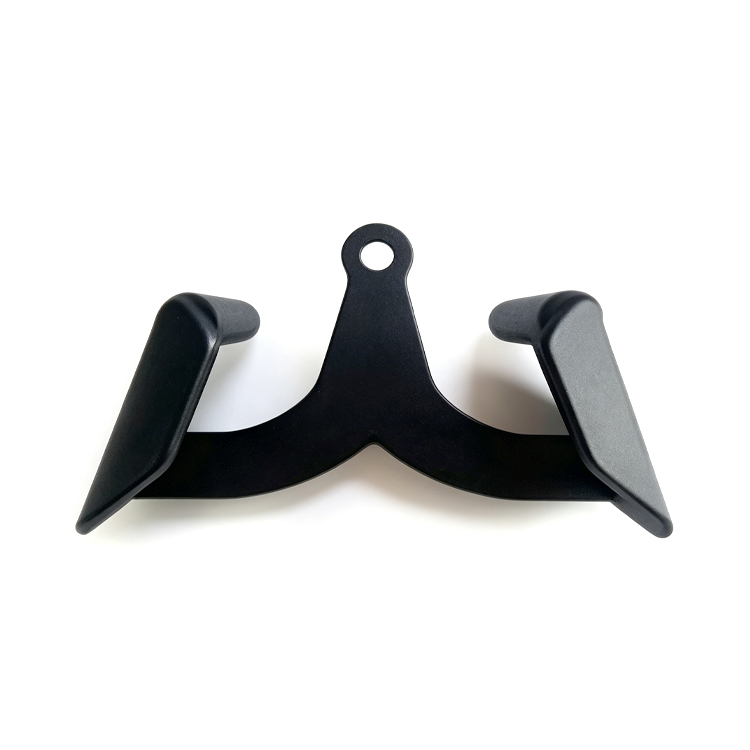
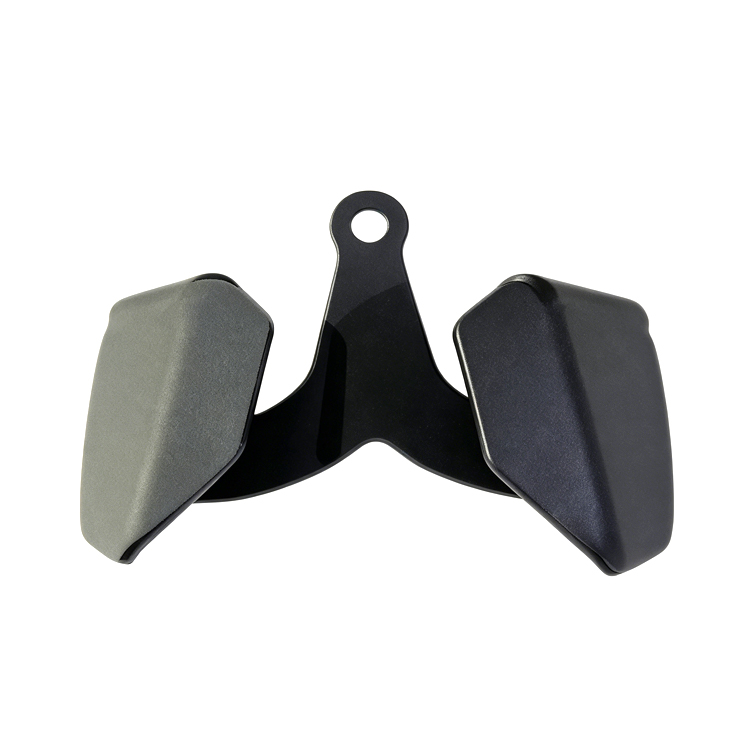
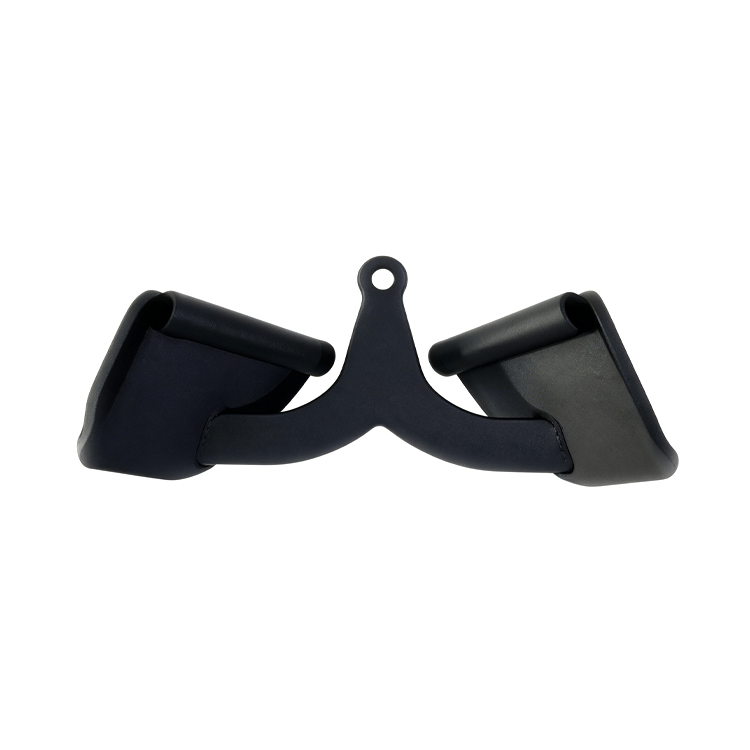
Nantong ChiMa International Trade Co., Ltd operates as a gym equipment manufacturer producing a wide range of strength training and fitness accessory products, including skipping ropes, ab wheels, push up handles, grippers and grip balls, pull equipment, twisting boards, dumbbells, barbells, arm bars, leg clamps, balance boards, and complete yoga sets covering yoga balls, columns, bricks, mats and wheels. The factory covers an area of five thousand square meters and runs production around ergonomics, durable materials and, increasingly, smart wearable integration across the product design process.
| Manufacturing scale indicators for the strength training and fitness accessory range | ||
| Factory Area | Product Lines | Regions Served |
| 5,000 sqm | 20+ | 3 |
The product portfolio has reached domestic metropolitan markets as well as international markets across Europe, America and Southeast Asia, supported by a production approach that also looks at environmentally conscious sourcing and lower energy use during manufacturing wherever the process allows it.
Maintenance Routines That Keep Commercial Equipment Running
A short, consistent maintenance routine prevents most of the early wear issues that shorten the service life of commercial gym equipment.
- Wipe down grips, handles and upholstery after each shift to remove sweat before it reaches stitching or foam.
- Lubricate cables and guide rods on selectorized and functional pulling equipment on a set schedule.
- Check bolts, welds and frame joints on free weight racks and benches for looseness during routine walkthroughs.
- Inspect cardio belts and decks for wear, and re-wax or adjust tension as needed.
- Look over dumbbell and plate coatings for cracking, since damaged coating accelerates further wear quickly.
- Rotate heavily used accessories such as ab wheels and grip trainers where possible to even out wear across duplicate units.
How Often Commercial Gym Machines Should Be Serviced
Service intervals vary by component rather than by machine as a whole, since different parts wear at different rates under daily commercial use.
| Component | Recommended Check Interval |
|---|---|
| Cables and pulleys | Weekly visual check, quarterly lubrication |
| Cardio belts and decks | Monthly wax, annual belt condition review |
| Upholstery and pads | Weekly wipe down, replace at first sign of tearing |
| Weight stack pins and selectors | Monthly inspection |
| Free weight coatings | Ongoing visual inspection for cracking |
Frequently Asked Questions About Commercial Gym Equipment
Q1: What is commercial gym equipmentIt is fitness equipment built to a heavier duty specification for repeated daily use by many users, covering cardio machines, strength machines, free weights and functional accessories. |
Q2: What equipment does a commercial gym needMost floors combine cardio machines, selectorized strength machines, free weight and strength training equipment, and functional training accessories to cover a full range of goals. |
Q3: How long does commercial gym equipment lastService life varies by component, frames often last many years while cables, upholstery and coatings need periodic replacement well before the frame does. |
Q4: What is the difference between home and commercial gym equipmentCommercial equipment uses heavier gauge frames, higher duty cycle ratings and more replaceable components, since it must handle continuous multi user daily use. |
Q5: What is the best material for gym equipmentHeavy gauge steel frames, powder coat finishing, high density rubber or urethane coatings, and reinforced grip padding hold up best under daily commercial contact. |
Q6: How do you maintain gym equipmentWipe down grips and upholstery daily, lubricate cables on schedule, inspect welds and coatings routinely, and address wear before it spreads to other parts. |
Q7: How often should gym machines be servicedCables and pulleys usually get weekly checks, belts and pads get monthly attention, and full inspections typically happen on a quarterly basis. |
Q8: What is the difference between strength training and cardio equipmentStrength training equipment builds muscular load through resistance such as free weights and machines, while cardio equipment targets sustained heart rate and endurance work. |