ENG
ENG
 English
 Français
 Español
 عربى
عربى
With the accelerating pace of life, prolonged desk work, and high-intensity exercise, muscle tension and soreness often become unbearable. To alleviate this discomfort, many people are turning to muscle massage sticks. But can a muscle massage stick really relieve muscle soreness?
1. Causes of Muscle Soreness
Muscle soreness is usually caused by overuse or strain of the muscles. For athletes or fitness enthusiasts, especially after high-intensity strength training, long-distance running, or other strenuous activities, the accumulation of lactic acid often leads to muscle soreness. In addition, long-term poor posture, repetitive movements, and muscle strain can also cause muscle tension and discomfort.
The causes of muscle soreness can be summarized as follows:
Delayed Onset Muscle Soreness (DOMS): This usually occurs 24-72 hours after exercise and is caused by excessive or novel exercise.
Acute Muscle Soreness: This is mainly due to muscle strain caused by sudden strenuous exercise or injury.
Muscle Fatigue and Tension: Prolonged sitting, standing, or repetitive movements can easily lead to muscle fatigue and tightness.
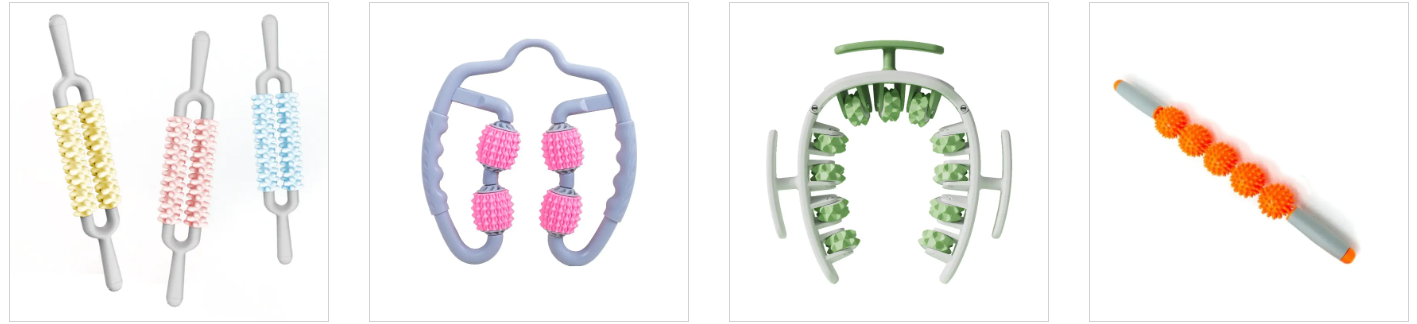
2. The Principle of Muscle Massage Sticks
A muscle massage stick is a tool that massages muscles through physical vibration or rolling. It acts on muscle tissue with a certain frequency and intensity, helping to promote blood circulation, relax muscles, and reduce lactic acid accumulation, thereby relieving muscle soreness and fatigue. Unlike traditional manual massage, a muscle massage stick can provide more stable and even pressure, especially suitable for areas that are difficult to reach with manual massage, such as the back and thighs.
The mechanisms of action of muscle massage sticks mainly include the following:
Promoting blood circulation: Massage stimulation can accelerate blood flow, helping to remove metabolic waste and reduce lactic acid accumulation.
Relieving muscle tension: Through appropriate pressure, the massage stick can relax tense muscles and relieve spasms and stiffness.
Relieving pain: By vibrating and kneading the muscles, it stimulates the nervous system, helping to reduce pain.
3. Benefits of Using a Muscle Massage Stick
Rapid relief of muscle soreness
A muscle massage stick can quickly relieve muscle soreness by directly acting on muscle tissue. Especially when used after exercise, it can effectively reduce muscle fatigue and shorten recovery time.
Improves Blood Circulation
Using a massage stick can promote blood circulation, helping to remove lactic acid and other metabolic products accumulated in the muscles, reducing muscle pain.
Relieves Muscle Tension
Prolonged muscle tension can lead to pain and discomfort, while a muscle massage stick can effectively relax tight muscles, reducing muscle stiffness and spasms.
Improves Flexibility and Mobility
Massage can increase muscle flexibility, especially in areas prone to tightness such as the thighs and back. Regular use of a massage stick can enhance muscle stretching ability.
Convenient and Fast
Compared to traditional manual massage, a muscle massage stick is more convenient and effortless to use. It requires no additional help, and users can perform massages anytime, anywhere.
4. How to Use a Muscle Massage Stick Correctly
To achieve the best massage results, correct usage is crucial. Here are some suggestions for using a muscle massage stick:
Choose the Appropriate Intensity
Choose the appropriate massage intensity based on your personal pain tolerance. Too much intensity may cause muscle discomfort; while too little intensity may not achieve effective massage results.
Maintain Appropriate Massage Time
The duration of each use of the muscle massage stick should not be too long. Generally, keep the massage time for each area to about 1-2 minutes to avoid overstimulating the muscles.
Avoid Direct Massage on Bones and Joints
The muscle massage stick should mainly be applied to muscle areas, avoiding direct application to bones and joints to prevent discomfort or injury.
Choose the Appropriate Massage Mode
Many muscle massage sticks have different massage modes and frequencies. Choosing a mode that suits your needs allows for effective massage of different muscle groups.
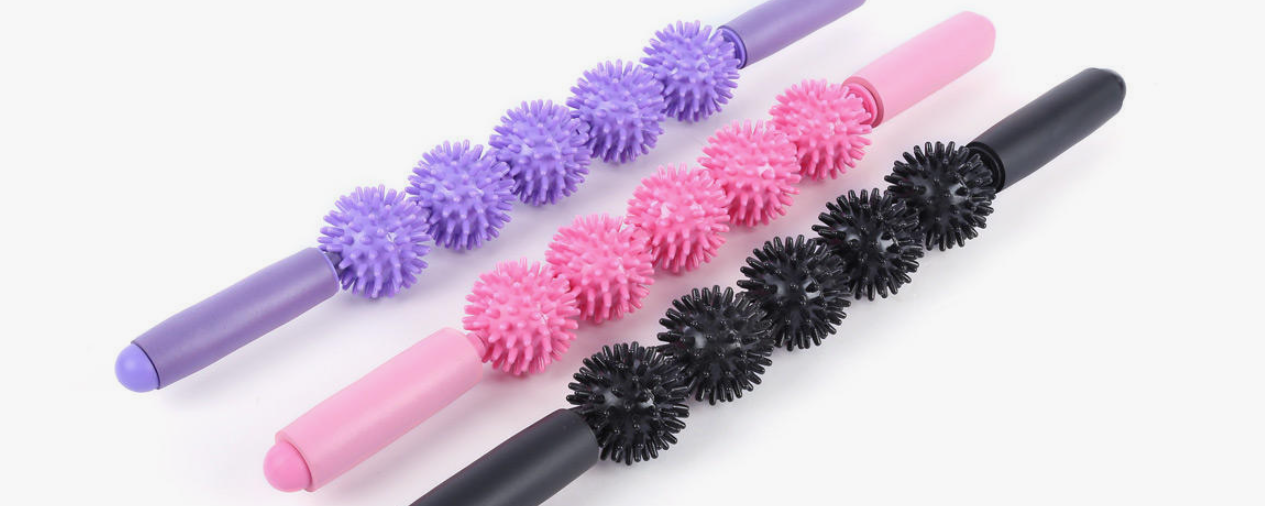
5. Limitations of Muscle Massage Sticks
Although muscle massage sticks offer many benefits, they are not a panacea. For some severe muscle strains or joint injuries, relying solely on a massage stick may not provide sufficient therapeutic effect. In these cases, seeking help from a professional doctor or physical therapist is more important. Furthermore, long-term reliance on a massage stick may affect the muscle's self-recovery ability; it is recommended to combine it with appropriate rest and recovery measures.
Table: Comparison of the Effects of Using a Muscle Massage Stick
| Area of Use | Massage Effect | Massage Time | Suitable Audience |
| Neck | Relieve neck muscle tension, alleviate fatigue | 1-2 minutes | People who work long hours at desks |
| Back | Relieve back pain, relax tense muscles | 1-3 minutes | People who sit for long periods or post-workout |
| Thigh | Improve blood circulation in the thighs, reduce soreness | 2 minutes | Fitness enthusiasts |
| Calf | Relieve calf muscle fatigue and soreness | 1-2 minutes | Runners or hikers |
| Shoulders | Relax shoulder muscles, reduce shoulder stiffness | 1-2 minutes | Office workers |
A muscle massage stick can help promote blood circulation, relax tense muscles, and relieve pain, making it especially suitable for people after exercise or those who work for long periods. However, using the muscle massage stick correctly and choosing the appropriate intensity are crucial. For some serious muscle injuries, professional treatment and care are still necessary.