ENG
ENG
 English
 Français
 Español
 عربى
عربى
A wholesale inquiry that says only "cardio equipment" can waste a week of back-and-forth emails. Does the buyer mean a motorized treadmill, a recumbent bike, a rowing machine, or something small like a jump rope? In the fitness industry, the name of the equipment is the first specification. This guide lists the main cardio equipment names, explains what each one does, and highlights the buying points that matter for both home users and commercial buyers.
The Main Families of Cardio Equipment Names
Every cardio machine fits into one of five movement families. Learn the pattern, and the long list of names becomes easier to remember and much easier to specify in a purchase order.
| Family | Common Names | Movement Pattern | Best For |
|---|---|---|---|
| Running-based | Treadmill, curved treadmill, incline trainer | Walking, jogging, or sprinting in place | General conditioning, weight management |
| Cycling-based | Upright bike, spin bike, recumbent bike, air bike | Pedaling against resistance | Low-impact endurance, cardio recovery |
| Rowing / pulling | Rowing machine, ergometer, ski erg, rope pull trainer | Push-pull full-body stroke | Full-body aerobic and muscular endurance |
| Stepping / climbing | Stair climber, step mill, stepper, mini pedal exerciser, aerobic step platform | Step-up or climb motion | Lower-body power, leg and glute endurance |
| Elliptical / cross | Elliptical trainer, cross-trainer, glider, arc trainer | Gliding stride with arm levers | Low-impact full-body cardio |
Names you will see in product catalogs
- Treadmill family: motorized treadmill, curved treadmill, incline trainer, manual treadmill.
- Bike family: upright bike, spin bike, recumbent bike, air bike, vertical bike.
- Rowing and pulling family: rowing machine, ergometer, ski erg, rope pull trainer.
- Stepping and climbing family: stair climber, step mill, stepper, mini pedal exerciser, aerobic step platform.
- Elliptical and gliding family: elliptical trainer, cross-trainer, glider, arc trainer.
How Cardio Machines Compare on Calorie Burn
For a 70 kg adult doing 30 minutes of moderate-intensity work, some machines deliver a noticeably higher calorie burn than others. These values are estimates based on widely used activity calorie references such as Harvard Medical School's calorie chart; your actual result will vary with pace, resistance, and body weight.
Rowing machine310 kcal
Treadmill295 kcal
Jump rope270 kcal
Stair climber250 kcal
Elliptical230 kcal
Stationary bike210 kcal
Estimated kcal per 30-minute session for a 70 kg adult, moderate effort.
Anatomy of a Treadmill: Names of the Key Parts
When comparing quotes, you will see terms like deck, running belt, and console. The isometric diagram below shows how these parts fit together on a typical treadmill.
What to Check Before Buying Cardio Equipment
A cheap homeowner treadmill and a commercial-grade treadmill look similar in photos, but the specs tell a different story. The table below summarizes the main points to verify before you sign a purchase order.
| Checkpoint | Home / Small Studio | Commercial / Hotel Gym |
|---|---|---|
| Max user weight | 100–130 kg | 150 kg or more |
| Motor rating, if motorized | Continuous-duty motor, 1.5–2.5 HP | Continuous-duty motor, 3.0+ HP |
| Warranty | 1–2 years parts | 3–5 years parts |
| Footprint | Compact or foldable preferred | Stable, heavy frame required |
| Maintenance | Low, basic lubrication | High-use belt and deck replacement plan |
Three setup questions to ask yourself
- How much floor space is available, including clearance behind a treadmill or rower?
- Who will use the equipment: a beginner over 50, an athlete, or high-traffic hotel guests?
- What maintenance support is available in your area, for both electronics and mechanical parts?
Buying from a Manufacturer: What a Supplier Should Show You
A manufacturer should be transparent about materials, testing, and loading capacity. A serious buyer will ask to visit the production line or do a factory audit before committing to a container order. The phrase "cardio equipment" is not enough; ask for the exact model name, the product code, the max user weight, and the warranty terms in writing.
In our production work, small props often complete a cardio program. Jump ropes, aerobic step platforms, and resistance bands are simple to ship, easy to store, and frequently reordered by gym clients. Because we produce both larger strength lines and small accessories, one supplier can cover a wider fitness order.
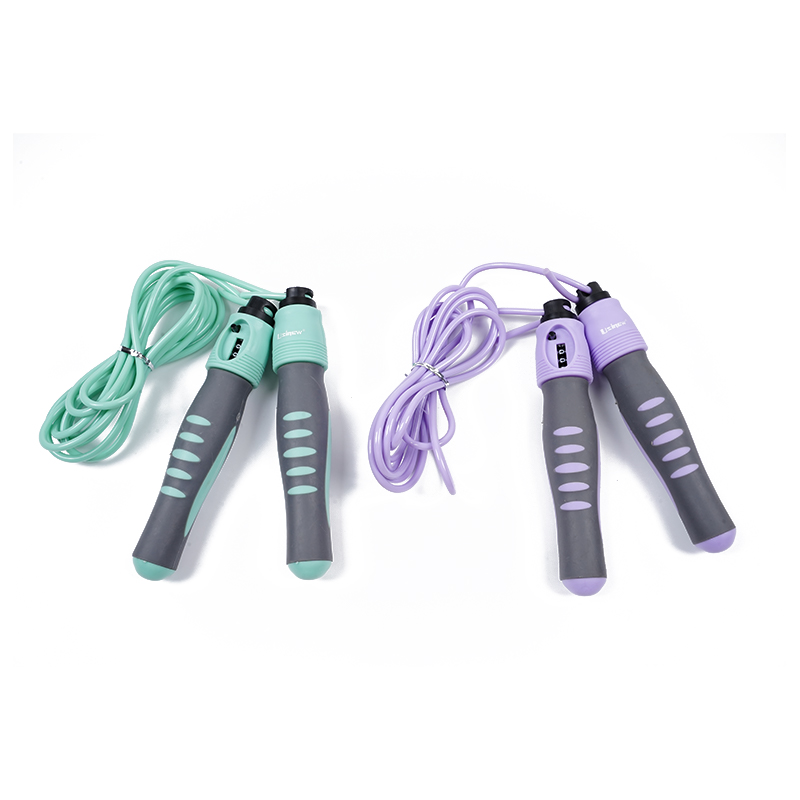 Rubber-Coated Counting Jump Rope with PP and PVC HandlesThis compact rope features a built-in counter and a 275cm cord, making it practical for cardio circuits in small spaces. Its light weight and simple design suit both home workouts and gym reorders.View Product →
Building a Compact Home Cardio Corner
Space is the first constraint in most homes. An aerobic step platform takes less than half a square meter and works for stepping, jump conditioning, and strength circuits. A jump rope needs no floor space at all. If you are choosing the essential fitness equipment for a small studio, a step platform and a rope are two of the most practical items you can start with.
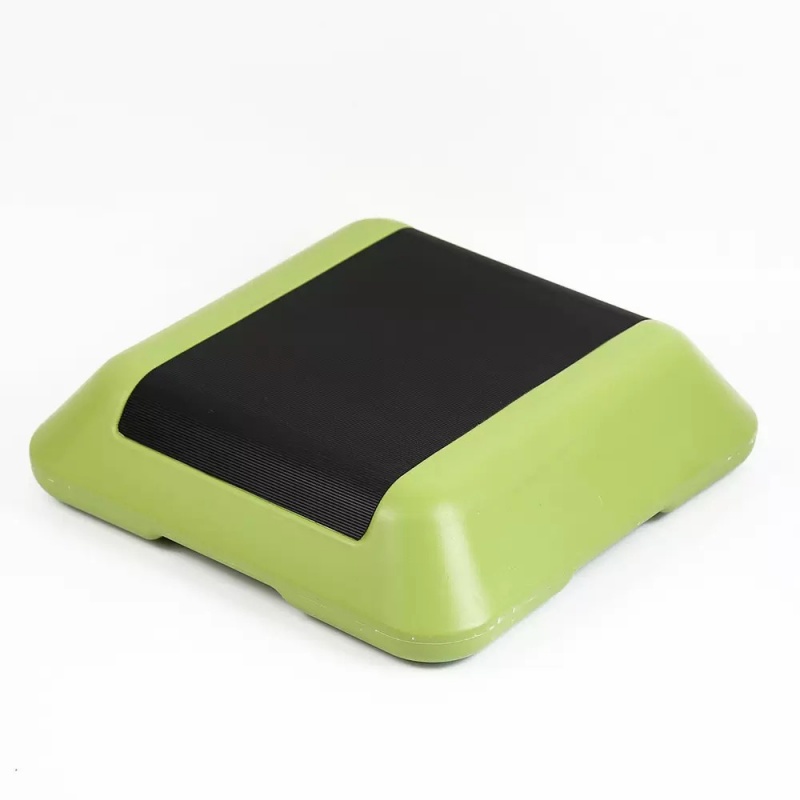 Adjustable Aerobic Step Platform with Anti-Slip SurfaceThis 40cm step platform uses PP and ABS materials and adjustable stacking pedals for low-impact training. It suits step routines, strength circuits, and rehabilitation work while remaining easy to move and store.View Product →
Pairing Cardio with Strength Accessories
Cardio builds endurance, but most training plans also include strength work. A lightweight resistance band can be used for warm-up, pull exercises, or squat variations between cardio intervals. This combination gives a compact gym the feel of a full session without requiring a heavy machine park.
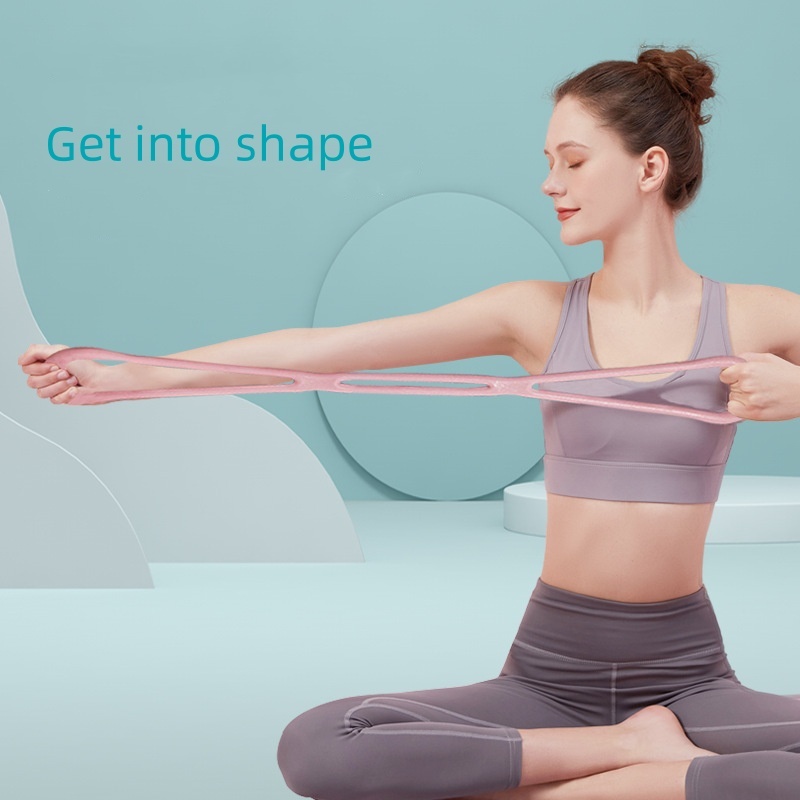 8-Shaped Resistance Band for Strength and Mobility WorkThis small band adds resistance for warm-ups, pulls, and squat variations, pairing well with cardio equipment. Its compact 8-shape design makes it a practical strength accessory for limited home or studio spaces.View Product →
Frequently Asked Questions About Cardio Equipment
Q1What is included in cardio equipment names?
Cardio equipment names cover any machine or tool that raises heart rate through continuous movement, including treadmills, exercise bikes, elliptical trainers, rowing machines, stair climbers, step platforms and jump ropes.
Q2Which cardio machine burns the most calories?
Rowing machines and running-based treadmills usually rank highest for calories burned in 30 minutes. Actual results depend on weight, pace, and resistance; interval training can push a rowing session above 350 kcal.
Q3Treadmill or elliptical — which is better?
Treadmills provide a running-specific load and higher calorie potential. Ellipticals are easier on the knees. For a commercial gym keep both; for a home gym choose based on joint comfort and fitness goals.
Q4What is the best cardio equipment for home use?
A jump rope or aerobic step platform is the cheapest and most compact option. If space allows one larger machine, an exercise bike or elliptical offers low-impact cardio that suits beginner to intermediate users.
Q5Are stationary bikes good cardio?
Yes. Upright bikes, spin bikes and recumbent bikes all increase heart rate and build leg endurance while keeping joint impact low, making them a safe cardio choice for most age groups.
Q6How much should I spend on cardio equipment?
For a reliable home treadmill, budget roughly $400 to $1,000. Commercial treadmills cost several times more. Small items like a quality jump rope or a step platform usually cost under $50.
Q7How do I choose cardio equipment for a commercial gym?
Check max user weight, frame warranty, belt and deck thickness, motor duty cycle, and expected daily usage. A sturdy frame and easily replaceable parts matter more than extra display features.
Q8Can I lose belly fat with cardio equipment?
Cardio burns calories, and losing body fat requires a calorie deficit. Combine regular cardio with strength training and a balanced diet to see the most visible change in belly fat.