ENG
ENG
 English
 Français
 Español
 عربى
عربى
Calls from wholesale fitness buyers have changed in the past two years. Price and minimum order quantity still matter, but they no longer top the agenda. Buyers now ask whether a yoga mat is thick enough for hard floors, whether a jump rope can count reps, and whether a massage ball set pairs naturally with an abdominal wheel for a compact home studio order. Behind these questions lies a broader shift in the fitness industry: training has become hybrid, equipment has become smarter, and recovery now influences purchase decisions as strongly as workouts do.
The conclusion is simple. The future of the fitness industry is not one dramatic invention; it is the convergence of hybrid delivery, data-aware products, and recovery-focused categories. For manufacturers and distributors, this convergence decides what to build, what to stock, and where the next round of growth will come from.
Three Structural Shifts Defining the Fitness Industry's Future
Industry trend surveys, including the American College of Sports Medicine's annual worldwide ranking, place the same themes near the top every year: wearable technology, strength training, and programming that supports long-term health. Reading across these surveys points to three structural shifts that shape the fitness industry's future.
1. Hybrid delivery became the default
Members split their week between a club and a home setup, or between a studio class and an app-led session. Equipment must therefore be quiet, compact, and easy to store, while still feeling like serious training gear. This is why multi-use tools such as abdominal wheels, resistance bands, and adjustable steps appear so often in wholesale order lists today.
2. Recovery and longevity moved to the center
An ageing, prevention-minded population no longer treats massage balls, foam rollers, or foot trainers as optional extras. Recovery is scheduled like training. Categories that support mobility and joint health are growing faster than traditional strength-only lines.
3. Data feedback became an expectation
Counters on jump ropes, sensors in yoga mats, and app-connected strength tools are now normal. Buyers and end users expect measurable feedback about reps, duration, and progress. Products without any data feature are increasingly viewed as basic, while versions with simple, reliable counting functions command better margins.
Trend strength index (0-100): illustrative composite of published fitness industry trend surveys.
Hybrid Training: What It Means for Equipment Design
Hybrid training changes the physical brief for equipment. A home station shares a room with a sofa, so noise and footprint matter. A yoga mat must cushion hardwood floors, an abdominal wheel must roll smoothly on carpets, and a dumbbell must not leave marks. The same products also appear in small studios, where instructors put them through daily use. This double life requires simple construction, easy cleaning, and materials that survive both environments.
For a factory that produces a full line of fitness equipment, hybrid demand explains why multi-purpose and space-saving products are no longer niche. A buyer can combine a practical list of the most essential fitness equipment into one mixed container: yoga mats, resistance tubes, push-up stands, and abdominal wheels that suit both home users and boutique studios.
- 1. Wide silent wheel - TPR/PP foam cover reduces noise on hard floors.
- 2. Brake control - Supports a controlled return phase, a key feature on patented new models.
- 3. Ergonomic grip - Comfortable palm support for high-repetition sets.
Key anatomy of a modern wide silent abdominal wheel (isometric illustration).
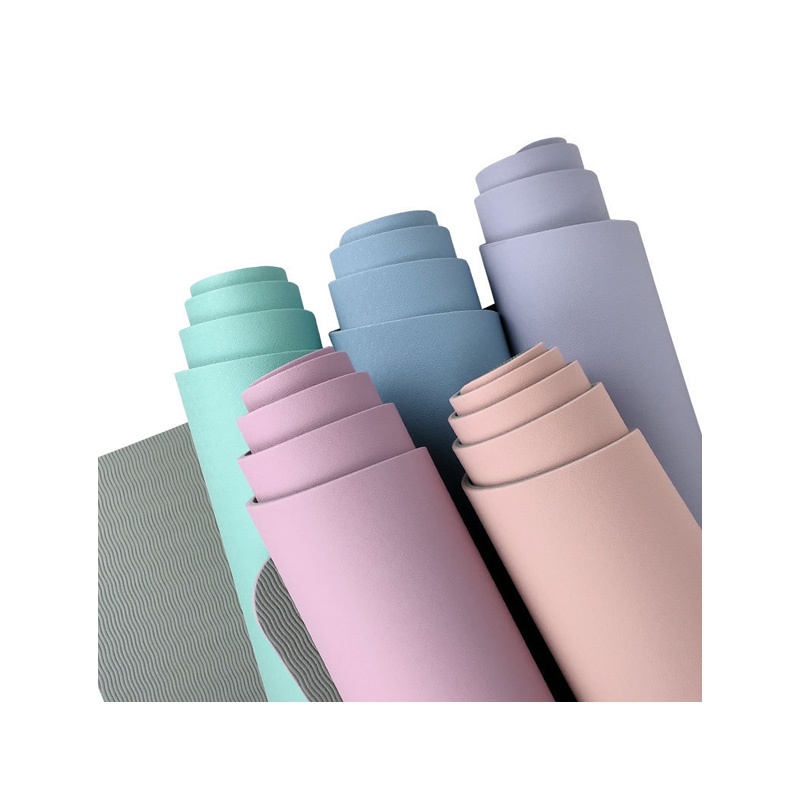 TPE Yoga Mat with Double-Sided Non-Slip TextureThis eco-friendly TPE mat offers balanced cushioning and support for yoga practice. Its closed-cell structure resists sweat, while the lightweight design suits home and outdoor use.View Product →
Smart Equipment: From Counting Jumps to Real Coaching
Connectivity is spreading from wristbands to the equipment itself. Counting jump ropes give instant rep and calorie feedback, weighted versions add strength work, and grip trainers with counters help rehabilitation patients track progress. On the strength side, simple mechanical counters remain the most reliable choice for factories and buyers alike, because they need no batteries and survive warehouse and shipping conditions.
The commercial logic is clear for distributors. A counting jump rope retails at a noticeable premium over a plain PVC rope, yet the added manufacturing cost is modest. This is exactly the kind of product upgrade that raises average order value without changing an existing sourcing relationship.
Connected fitness equipment adoption index, 2020-2026 observed, 2027-2028 forecast. Illustrative values based on market analyses.
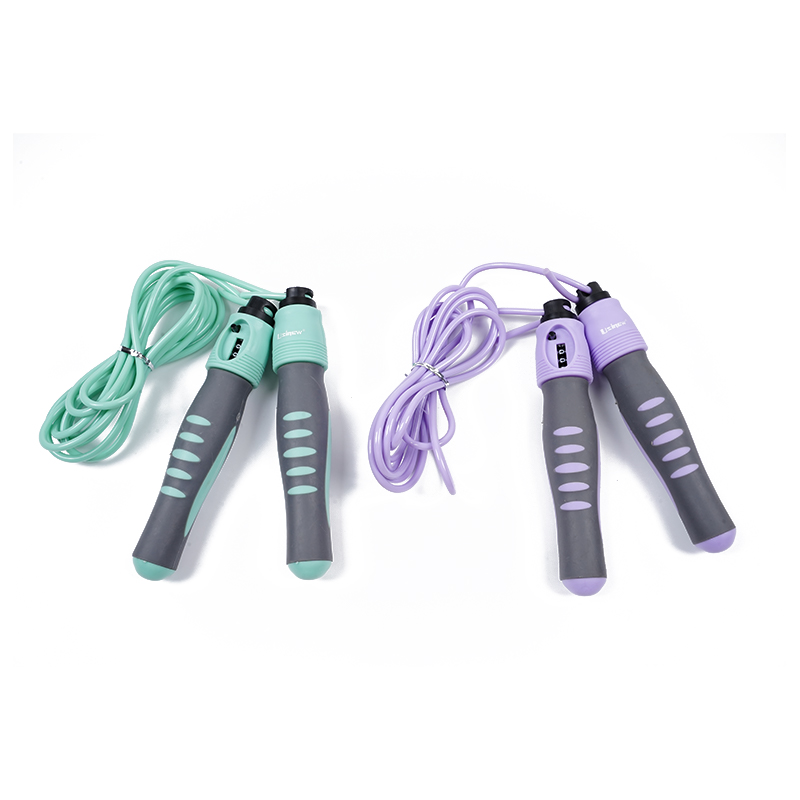 Rubber-Coated Counting Jump Rope with Mechanical CounterThis jump rope features a rubber-coated design and a built-in counter for instant rep and calorie feedback. It suits cardio workouts and rehabilitation, with a durable mechanical counter requiring no batteries.View Product →
Recovery and Longevity: The Category Buyers Can't Ignore
Recovery products used to live in the clinical corner. They now sit on the shop floor next to mats and weights. Trigger-point massage balls, peanut balls, massage sticks, and foot trainers appeal to runners, desk workers, and older users alike. For wholesale buyers, the category offers a stable repeat-purchase profile and fewer sizing issues than apparel or electronics.
| Category | Primary use | Typical materials | Buying checkpoints |
|---|---|---|---|
| Massage balls | Trigger-point release, mobility | TPR, PVC, cork | Hardness consistency, odour, packaging |
| Massage sticks | Large-muscle rolling | PP/PVC with ABS handles | Grip texture, joint durability |
| Foam rollers | Myofascial release | EVA, hollow or solid core | Density, compression recovery |
| Foot trainers | Arch correction, balance | PP/TPR anti-slip base | Non-slip test, weight capacity |
When sourcing recovery tools, buyers should request hardness data and material certificates. These products come into direct contact with skin and are often exported with a retail package, so slight inconsistencies quickly become customer complaints.
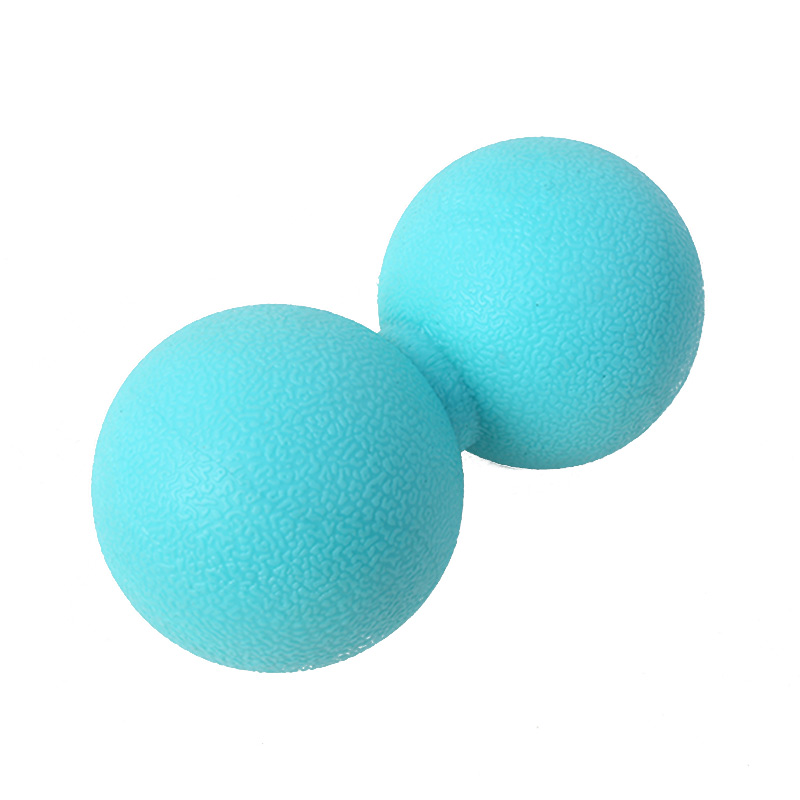 Massage Peanut Ball for Muscle Relaxation and RecoveryMade of TPR with a smooth, non-porous surface, this peanut-shaped ball targets hard-to-reach areas like calves and back. It aids muscle relaxation, rehabilitation, and blood circulation, making it a practical recovery tool.View Product →
What This Means for Wholesale Buyers and Manufacturers
Trends only matter commercially when they translate into orders. Three practical implications stand out.
- Verify manufacturing depth. Hybrid, smart, and recovery products overlap in one supply chain. A factory that can produce yoga mats, abdominal wheels, and massage balls in-house simplifies quality control, packaging, and shipment consolidation. A factory audit or on-site verification is the first step to confirm whether a supplier truly owns the production lines it advertises.
- Diversify SKUs instead of betting on one hero product. The fitness industry's future spreads demand across many small categories. Containers with balanced mixes of strength, mobility, and recovery items carry lower inventory risk than a single SKU.
- Check patents and test certificates. Some manufacturers hold patents on specific mechanisms, such as brake abdominal wheels, which gives buyers a differentiation story in their own markets. Always ask for test reports on materials, paint, and load capacity before placing volume orders.
Distributors that adapt their catalogue to hybrid, data-aware, recovery-first purchasing are not simply following fashion. They are aligning inventory with the direction of consumer spending, and that is the surest basis for durable growth.
Frequently Asked Questions About the Future of Fitness
Q1: Is home fitness still growing?
Yes, but the growth is now part of the hybrid model. People train at home and also visit gyms or studios, so home equipment demand remains strong, especially for compact, quiet, multi-functional items.
Q2: What is hybrid fitness?
Hybrid fitness combines gym or studio workouts with home and digital training. Users mix live classes, app-led sessions, and self-directed home workouts; equipment needs to support both settings.
Q3: Are abdominal wheels effective for core training?
Yes. Abdominal wheels activate the core, shoulders, and hips more intensely than many floor exercises, and they suit progressive training from knee rolls to full extensions.
Q4: What equipment is essential for a beginner home gym?
A yoga mat, resistance bands, a pair of dumbbells, an abdominal wheel, and a jump rope cover most full-body needs, and all of it fits into one small storage box.
Q5: How do I choose a reliable fitness equipment supplier?
Verify factory certifications, request material and load test reports, and assess sample consistency before volume orders. A manufacturer with own production lines usually controls quality and lead time better.
Q6: What will be the next big fitness trend?
Recovery and longevity are the strongest candidates, along with AI-personalised coaching. Both are already visible in consumer buying patterns and will continue to reshape equipment demand.