ENG
ENG
 English
 Français
 Español
 عربى
عربى
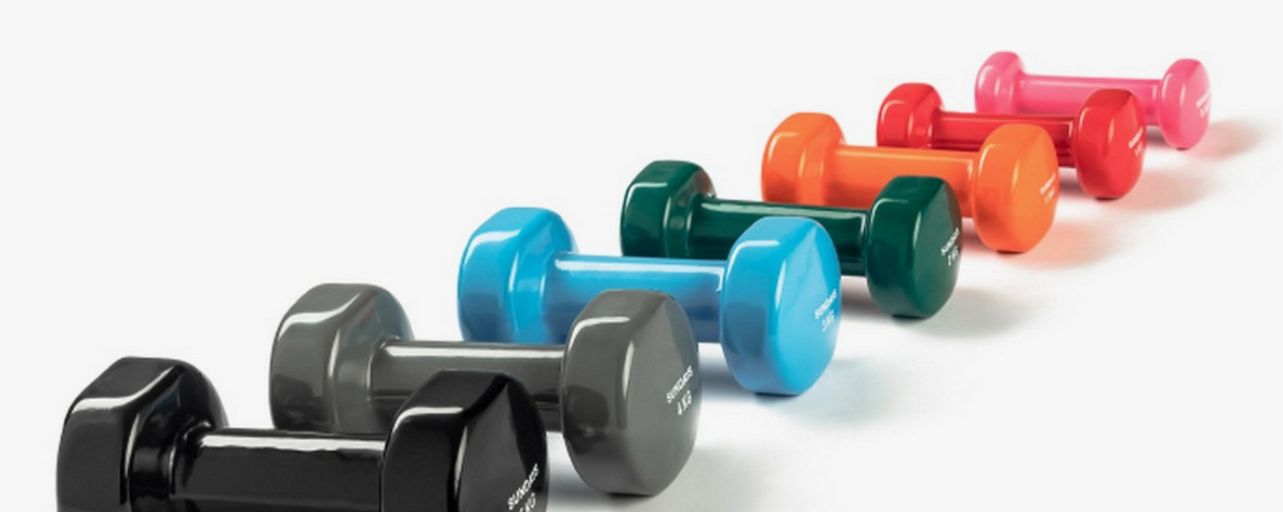
Dumbbells are one of the most common and popular pieces of equipment in fitness training. Whether at home or in the gym, dumbbells can help us perform a variety of effective strength training exercises, build muscle strength, and improve body shape. However, many people often make common mistakes when using fitness dumbbells, which not only affects the training effect but may also lead to sports injuries.
1. Incorrect Dumbbell Weight Selection
Mistake Description:
Many people choose dumbbells that are either too heavy or too light. Choosing dumbbells that are too heavy can easily lead to improper form and increase the risk of injury; while choosing dumbbells that are too light will not effectively stimulate muscle growth, significantly reducing the training effect.
Solution:
Choose the appropriate weight based on your fitness level: Beginners can choose lighter dumbbells (such as 2-5 kg) and gradually increase the weight. Advanced users can adjust the dumbbell weight according to the specific requirements of each exercise, ensuring that they can complete the target number of repetitions in each set, but feel muscle fatigue in the last few repetitions.
Use adjustable dumbbells: Adjustable dumbbells allow you to easily adjust the weight according to different training goals, providing more flexibility.
2. Neglecting Warm-up and Stretching
Mistake Description:
Many fitness enthusiasts go directly into high-intensity exercises before starting dumbbell training, neglecting warm-up and stretching, leading to muscle tension and sports injuries.
Solution:
Warm-up: Before starting dumbbell training, do 5-10 minutes of aerobic warm-up, such as jogging or jumping rope, to activate the whole body muscles.
Dynamic stretching: Through dynamic stretching, especially targeting joints such as shoulders, wrists, and knees, help improve range of motion and reduce the risk of strains.
3. Incorrect Form
Mistake Description:
Incorrect form not only fails to effectively exercise the target muscles but also increases the pressure on joints and muscles, leading to sports injuries.
Solution:
Focus on proper form: Before each training session, ensure that you master the correct form. You can ask a coach for advice or use a mirror to check your movements. Ensure core stability and avoid using momentum and incorrect posture.
Break down the movement: When learning a new exercise, you can break it down into several smaller movements to gradually familiarize yourself with and improve the technique.
4. Using Momentum to Complete Movements
Common Mistake:
To complete a set of exercises quickly, many people use their body's momentum to help lift the dumbbells, especially during exercises like dumbbell presses and curls. This not only reduces the effectiveness of the training but can also injure the shoulders, wrists, and other areas.
Solution:
Control the speed of the movement: During each exercise, ensure that both the upward and downward movements of the dumbbells are controlled within a reasonable speed range. Especially under load, avoid rapid swinging and ensure that the muscles remain constantly under tension.
Use lighter weights: If you find you cannot control the movement, reduce the weight and concentrate on maintaining proper form.
5. Neglecting Core Muscle Engagement
Common Mistake:
Many people focus only on training the target muscle groups during dumbbell training, neglecting the involvement of the core muscles. This affects the stability of the movement and the overall effectiveness.
Solution:
Activate core muscles: During dumbbell training, always keep your abdominal muscles tight to ensure core muscle engagement. This not only enhances the training effect but also helps maintain correct posture and prevent back injuries.
Add core training: In addition to dumbbell training, perform separate core muscle exercises such as planks and Russian twists.
6. Over-reliance on Dumbbell Training
Common Mistake:
While dumbbells are very effective training tools, over-reliance on dumbbells and neglecting other training methods, such as compound exercises and bodyweight training, can lead to monotonous and unbalanced muscle training.
Solution:
Diversify training methods: In addition to dumbbell training, incorporate compound movements such as squats, push-ups, and pull-ups to work more muscle groups and improve overall strength.
Combine with cardiovascular exercise: Combine dumbbell training with appropriate cardiovascular exercise (such as running, jumping rope, etc.) to improve cardiovascular function and overall fitness.
7. Neglecting Recovery and Rest
Common Mistake:
Many fitness enthusiasts overtrain, neglecting muscle recovery time, leading to muscle fatigue and overtraining. Muscle growth and strength improvement occur during rest and recovery.
Solution:
Adequate rest: Each muscle group needs 48-72 hours of recovery time, so plan your training schedule accordingly and avoid training the same body part consecutively. Ensure sufficient sleep: Good sleep helps with muscle repair and growth, so ensure you get enough rest every night.
8. Neglecting Diet and Supplements
Misconception Description:
Without a proper diet and nutritional supplements, the effectiveness of dumbbell training will be greatly reduced. Many people neglect the balance of protein, carbohydrates, and fats, leading to difficulty in muscle growth or poor recovery.
Solution:
Balanced Diet: Ensure you consume enough protein (such as chicken, fish, legumes, etc.) to support muscle recovery and growth.
Nutritional Supplements: You can choose appropriate fitness supplements as needed, such as protein powder, BCAAs, etc., to help improve training results.
9. Neglecting Wrist and Shoulder Protection
Misconception Description:
Many people often neglect wrist and shoulder protection when doing dumbbell presses, bench presses, and other exercises. Prolonged training may lead to fatigue or injury in these areas.
Solution:
Use Protective Gear: When performing high-load training, you can use wrist wraps and shoulder supports to reduce the risk of injury.
Pay Attention to Posture: Avoid concentrating excessive weight on your wrists and shoulders, and always maintain the natural position of your joints.
10. Training Too Frequently
Misconception Description:
Frequent high-intensity training can lead to overtraining, affecting muscle recovery and potentially causing sports injuries.
Solution:
Schedule a Reasonable Training Frequency: Train with dumbbells 2-3 times a week, ensuring sufficient recovery time for your muscles.
Diversify Training Intensity: Avoid long-term overtraining by adjusting the intensity, frequency, and weight of your training.