ENG
ENG
 English
 Français
 Español
 عربى
عربى
Walk into any gym or browse social media in 2026, and you'll notice a clear shift: people are no longer chasing a single aesthetic goal. Instead, they’re asking, “How can I move better, recover faster, and stay strong for decades?” The fitness industry is responding with a blend of science-backed methods and smarter tools. Here are the trends that define the year—and how the right equipment supports each one.
1. Strength for Longevity: Muscle as Metabolic Armor
The single most dominant trend of 2026 is training for healthspan, not just physique. The American College of Sports Medicine (ACSM) ranks exercise for weight management and functional strength among its top three trends this year. Industry sources consistently report that strength training has moved from a bodybuilding subculture to a mainstream wellness pillar. The logic is simple: more lean muscle mass improves insulin sensitivity, bone density, and daily function as we age.
Strength training equipment such as adjustable dumbbells, resistance bands, and abdominal wheels remains the foundation for home and commercial gyms. For example, a multi-function ab roller allows users to target the core safely, while weighted vests add progressive overload without heavy barbells. The key is to select gear that allows incremental load adjustments and supports full range of motion.
2. Recovery Becomes an Active Training Zone
Every major fitness media outlet in 2026 lists recovery as a dedicated trend—not just a passive rest day concept. Foam rolling, massage sticks, and targeted mobility tools are now considered as essential as a barbell. The rationale: better recovery leads to more consistent training and lower injury rates. For buyers stocking home or commercial facilities, this means investing in gear like 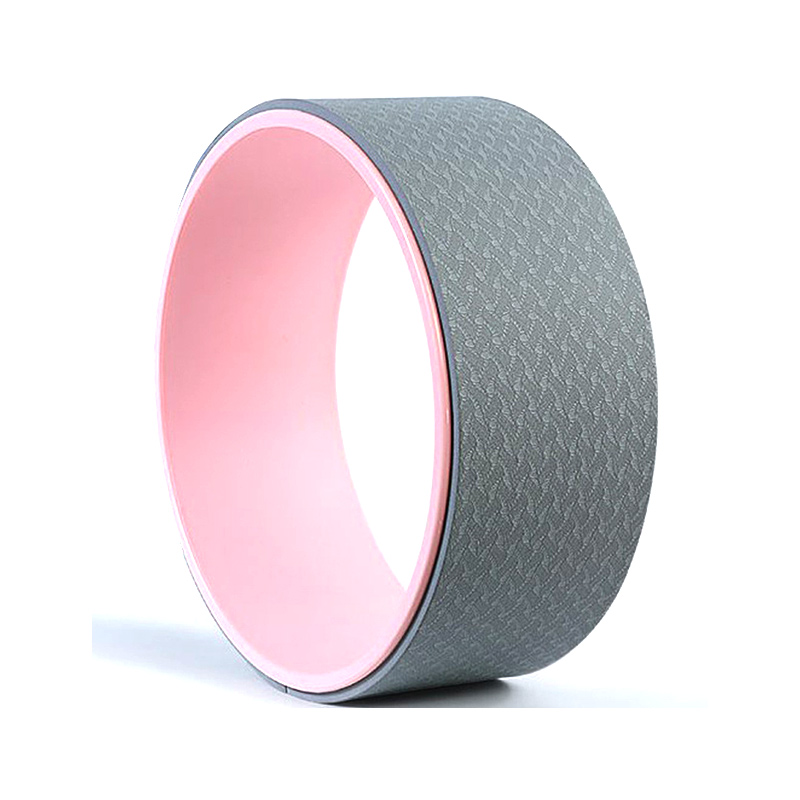 ABS+TPE Yoga Wheel for Thoracic and Hip OpeningThis lightweight yoga wheel supports recovery and mobility work, helping open tight areas after heavy training. Its dual-density material suits varying pressure levels, making it a versatile addition to any home or commercial setup.View Product →, peanut massage balls, and high-density foam rollers.
ACSM data shows that balance, flow, and core strength exercises (which overlap heavily with recovery and mobility) rank #5 for 2026. A simple yoga wheel, for instance, helps open the thoracic spine and hips after a heavy squat session—a low-cost tool with high return on adherence. Manufacturers like those at starryfitsport.com have responded by producing EVA and TPR massage tools with varied densities to suit different pressure levels.
3. Wearable Tech and Data-Driven Programming
Wearables have moved beyond step counting. In 2026, biometric data—heart rate variability, sleep stages, and training load—directly influences daily workout decisions. Gyms are integrating member wearables into class design, while home users adjust their intensity based on recovery readiness. This trend demands equipment that can interface seamlessly with data tracking, such as connected jump ropes with real-time rep counts.
The 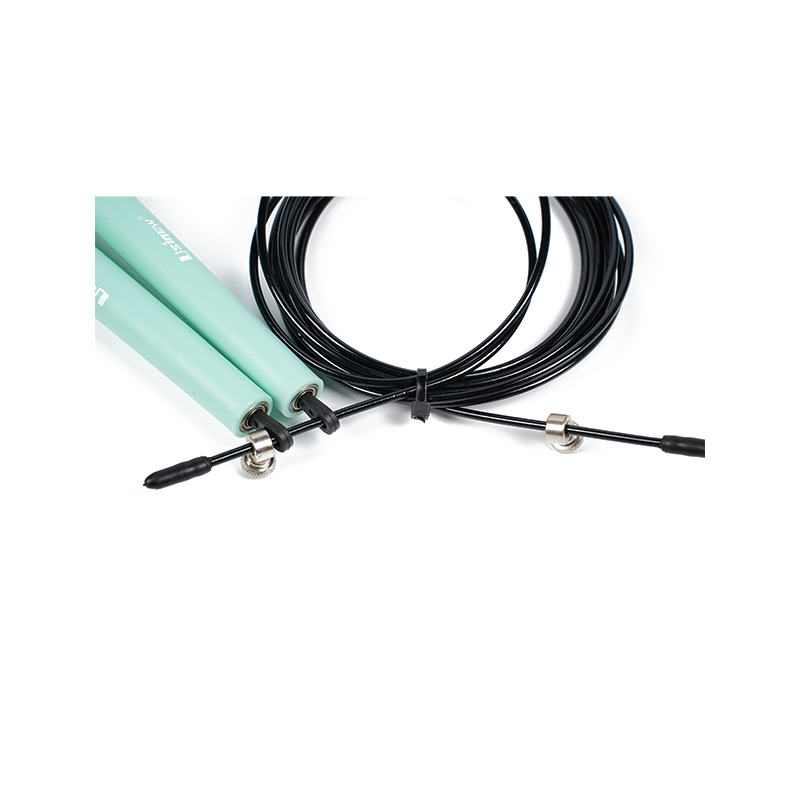 Bearing Wire Jump Rope for Smooth WorkoutsEquipped with a bearing mechanism for consistent rotation, this jump rope pairs with counting handles to track skips without extra devices. It is ideal for compact home gyms and interval training with a heart rate monitor.View Product → is a perfect example: its bearing mechanism ensures smooth rotation, and compatible counting handles let users log skips without a separate device. When combined with a heart rate monitor, it becomes a powerful tool for interval programming. According to a 2025 industry report by Allied Market Research, the wearable fitness tech market is projected to grow at 14.5% CAGR through 2030.
4. Hybrid Coaching and Home Gym Evolution
The post-pandemic hybrid model is now standard: members split sessions between in-person coaching and virtual workouts. This has driven demand for compact, multi-purpose home gym equipment that can deliver results without a full rack. Adjustable aerobic step platforms, resistance bands, and abdominal wheels are among the most stocked items for buyers supplying the at-home ecosystem.
Consider the 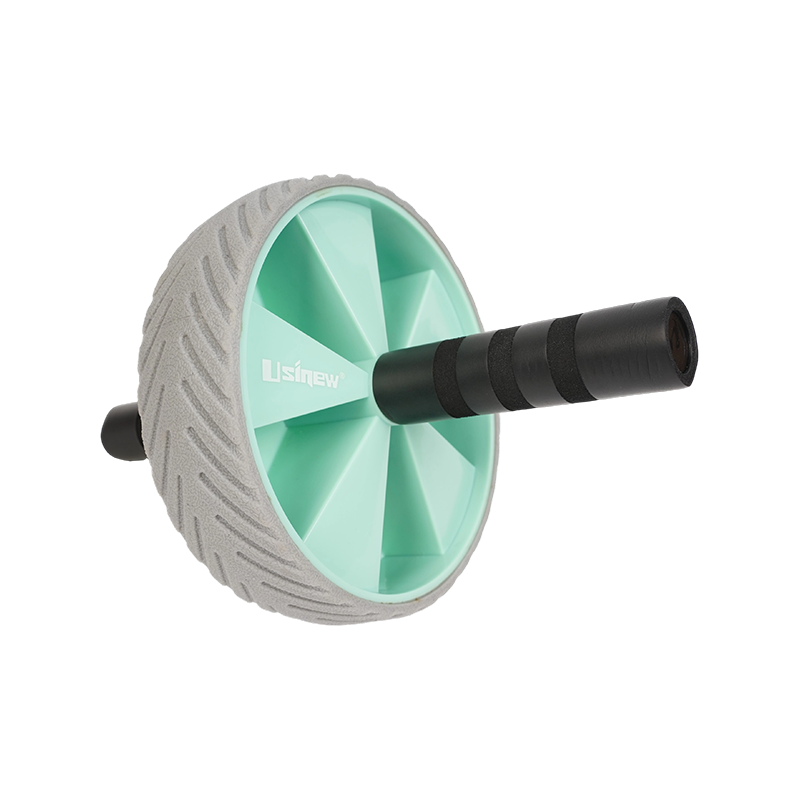 Silent Luxury Abdominal Wheel for Quiet Core TrainingFeaturing a foam-covered design and PP construction, this ab roller operates almost silently and includes a built-in brake for controlled movement. Its ergonomic TPR handles make it suitable for apartment use and guided online sessions.View Product →—its quiet operation makes it ideal for apartment training, and its built-in brake prevents over-extension. When paired with a guided app or live coach, users get the benefit of form feedback without leaving their living room. This combination of hardware and digital coaching defines the 2026 fitness landscape.
5. Low-Impact, High-Result Modalities (Pilates, Yoga, and beyond)
Pilates reformer studios are opening at record rates, and yoga is no longer a secondary offering. ACSM ranks yoga and Pilates-related movements inside the top 15 for 2026. The appeal is clear: low joint impact, strong core engagement, and scalable intensity. For equipment providers, this means a robust demand for yoga mats, blocks, wheels, and resistance bands, as well as reformer machines for commercial studios.
Beyond the studio, many home users are adopting yoga wheels for post-workout decompression and pilates rings for targeted muscle activation. The trend is especially strong among women in their 30s–50s, a demographic that now represents the fastest-growing segment in fitness retail (RYTHM Foundation, 2025 study).
6. Community-Driven Small Group Training
Loneliness has been labelled a public health crisis, and fitness is stepping in as a social anchor. Small group training, run clubs, and “tribe” classes are booming. These formats require versatile, portable equipment that can be used by multiple people in a rotating circuit. Resistance bands, agility ladders, and medicine balls fit naturally. The social element also increases retention—studies from the International Health, Racquet & Sportsclub Association (IHRSA) show that members who train in groups attend 40% more sessions.
FAQ: Popular Questions About the 2026 Fitness Industry
Q1: What is the biggest fitness trend in 2026?
A1: Strength for longevity is the top trend. People are training for long-term health, not just aesthetics, making muscle-building a mainstream goal.
Q2: Is strength training still popular in 2026?
A2: Yes, it's more popular than ever. ACSM lists strength training in the top three, and gyms report record numbers of members focusing on weight training.
Q3: How important is recovery in 2026?
A3: Extremely. Recovery is now treated as an active training zone, with dedicated tools like foam rollers and massage balls used daily.
Q4: Are wearables necessary for fitness in 2026?
A4: Not necessary but highly integrated. Wearable data helps personalize workouts and track recovery, making training more efficient.
Q5: What equipment is essential for a home gym in 2026?
A5: Must-haves include an abdominal wheel, jump rope, resistance bands, and a yoga mat. These cover strength, cardio, and mobility at minimal cost.
Q6: How does AI change personal training in 2026?
A6: AI assists coaches by analyzing movement patterns and biometric data, allowing more precise program adjustments. It augments, not replaces, human trainers.