ENG
ENG
 English
 Français
 Español
 عربى
عربى
The fitness industry in 2026 is being pulled in several directions at once, and the common denominator is data. The ACSM worldwide survey keeps wearable technology at number one for another year, while NASM's trend briefing adds strength for longevity, medical fitness and AI coaching to the same discussion. The conclusion for operators, importers and gym owners is practical: the winning equipment assortment now supports measurable training, sustainable recovery and strength at every age, not just more machines on the floor.
Wearable Technology and Data-Driven Training Stay on Top
Wearable technology has led the ACSM worldwide fitness trend survey for consecutive years, and the 2026 line-up keeps it at number one. What has changed is that connectivity has moved from the wrist to the equipment itself. Strength and cardio tools with built-in displays, such as counting jump ropes and adjustable grip strengtheners with rep counters, let users close the loop between effort and progress without opening another app.
Not all counting tools are equal. A counting jump rope, for example, should have a durable display, a switch that does not bounce at high rotation speed, and a bearing wire that keeps the rope smooth. These are the details a credible supplier should be able to document rather than promise.
Consumer behaviour supports the same direction. A 2026 fitness statistics roundup reports that 75% of active adults use live-streaming workouts, 72% choose online fitness because of schedule flexibility and 70% regularly use on-demand videos. When members move between home and the gym, they expect every piece of equipment to produce numbers they can trust.
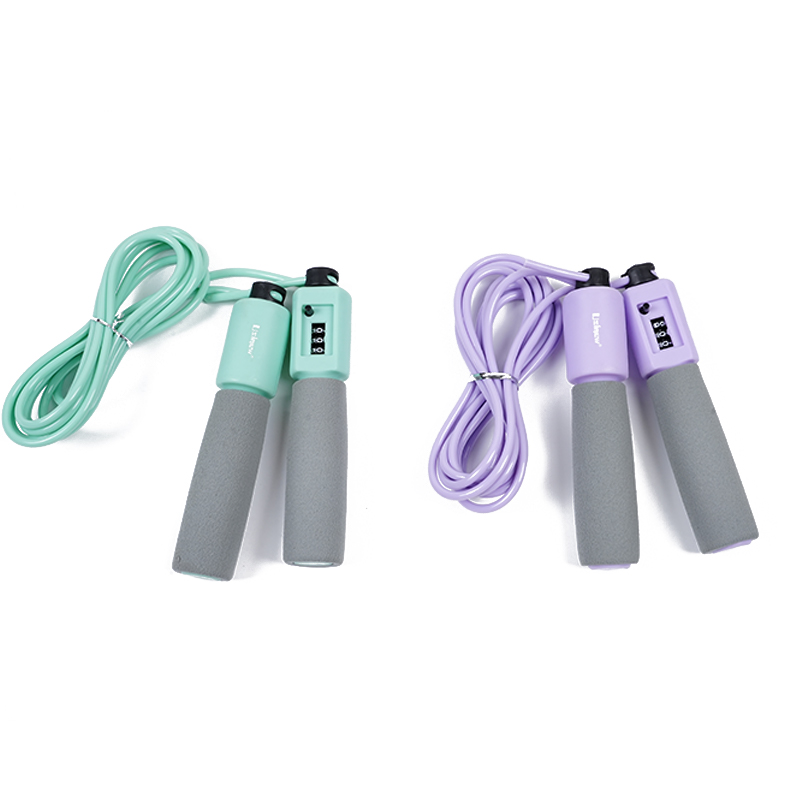 Foam Counting Jump Rope with High-Precision CounterCombines a soft foam handle with an accurate built-in counter for tracking jumps. Ideal for home cardio and strength training, supporting the growing trend of compact, bodyweight-friendly equipment.View Product →
Strength for Longevity Reshapes the Home Market
Strength training for longevity is one of the fastest-moving themes in the NASM 2026 trend briefing, and the ACSM-style top ten clusters traditional strength training with active-ageing programmes. The reason is demographic: an ageing population wants to preserve muscle mass, bone density and balance without complicated equipment. Compact, bodyweight-friendly tools, including abdominal wheels, push-up bars, resistance bands and balance boards, fit this demand perfectly.
The same logic applies to grip strength. Hand grippers and grip rings are entering active-ageing programmes because grip strength is a simple proxy for overall muscle health, and a counting grip strengthener turns a three-minute break into a tracked habit.
This is also where product quality separates a brand from a commodity. A wheel with a steel axle and TPR grips stays stable under heavy load; a high-density mat protects the spine; a certified band stretches consistently for years. For a buyer, the difference between a promotional SKU and a durable product usually comes down to axle diameter, wall thickness and material hardness. When reviewing an assortment, the first question to answer is what is the most essential fitness equipment for a home strength corner, and the answer is usually the same short list.
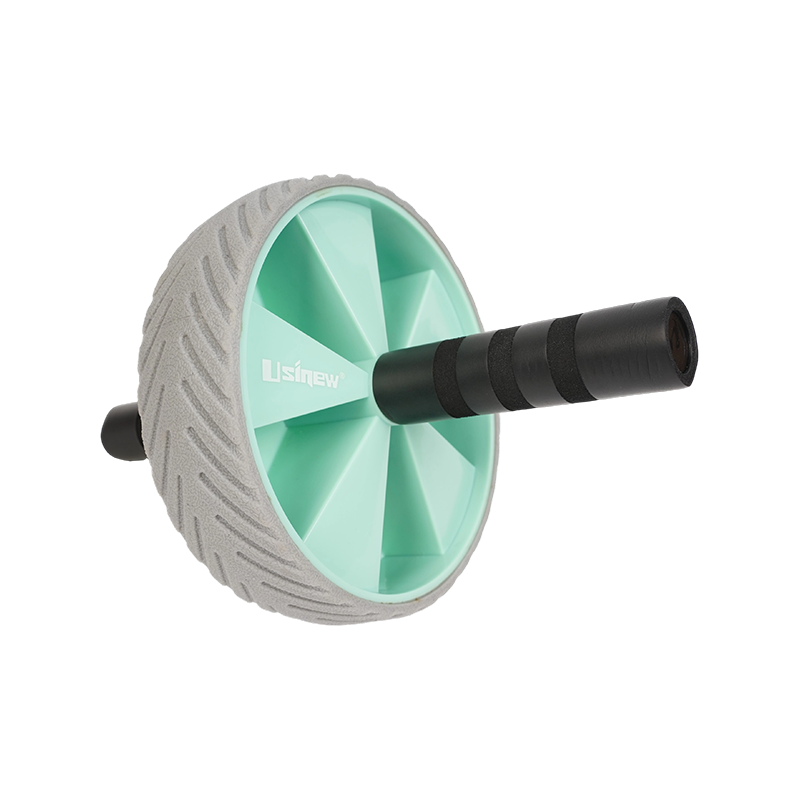 Silent Abdominal Wheel with TPR Grip and Stable WheelFeatures a noise-free PP and TPR design for smooth, stable rolling. Essential for building core strength at home, fitting perfectly into a compact strength corner.View Product →
Recovery and Mind-Body Training Become Core Programming
Recovery has stopped being an afterthought. NASM lists recovery as part of the training programme in 2026, and Pilates, yoga and stability work appear in almost every industry ranking. The commercial signal is clear: massage balls, foam rollers, balance trainers, Pilates rings and reformers have moved from seasonal extras to repeat-purchase core categories.
The market numbers explain the attention. The global health and fitness club market was valued at roughly $142.62 billion in 2026 and is forecast to reach $298.16 billion by 2034, a compound annual growth rate of 9.66% (Fortune Business Insights). Operators that add recovery corners and mind-body studios are positioning themselves for that growth.
For buyers, the decisive factor is material behaviour under repeated use. The density of EVA and TPR, the closed-cell structure of a foam roller and the seam quality of a massage ball determine whether a product lasts one year or three. A peanut-shaped massage ball, for instance, is effective for the back, calves and foot arches, but only when the TPR surface is firm enough to deliver real pressure. Scheduling also matters: recovery zones work best next to high-intensity areas, which requires equipment that is quiet, stable and easy to wipe down.
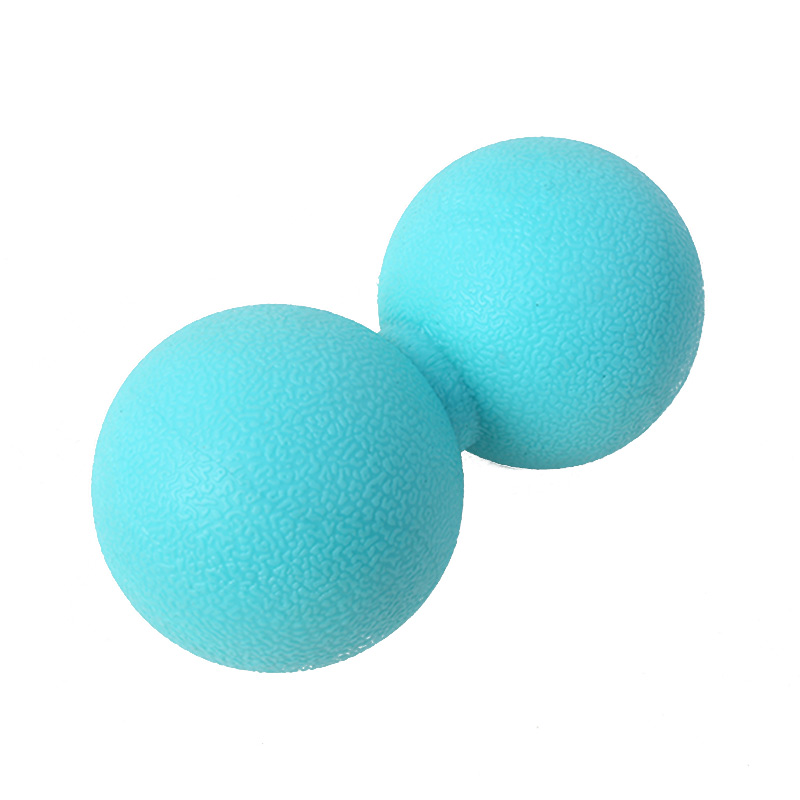 TPR Massage Peanut Ball for Muscle RecoveryNon-porous, tear-resistant TPR material allows targeted pressure on back, calves, and feet. A quiet, durable recovery tool that supports the shift toward hybrid home and studio training.View Product →
Hybrid Coaching and AI Change What Operators Buy
Hybrid coaching, a blend of in-person sessions and remote programming, has become standard practice, and AI has moved from novelty to daily tool. Trainers use AI to draft sessions, review form and forecast which members are at risk of quitting. The impact on equipment buying is direct: studios want gear that works in a class and in a living room, which pushes demand toward portable, stackable and multi-functional designs. The same shift explains the rise of commercial-grade home equipment, from compact reformers to steady chairs that once belonged only in studios.
The equipment consequences show up in a short list:
- Micro-workouts of 10 to 20 minutes favour quick-change tools: jump ropes, slide plates, balance trainers and compact aerobic steps.
- Small-group community training favours durable, easy-to-clean accessories in matched sets.
- Inclusive fitness favours adjustable products with wider weight tolerances and softer grips.
What These Trends Mean for Equipment Buyers
Trends only reach the shelf or the gym floor when buying decisions are right. For importers and brand owners, the checklist is short: work with a factory-direct supplier that can document production, materials and certificates; verify tolerances on the items that carry the most liability; and keep the product line tight enough to respond quickly to shifts in demand. A manufacturer that produces its own products, from abdominal wheels to yoga and recovery lines, can control quality far better than a trading-only intermediary.
| Trend | Equipment that benefits | Key sourcing check |
|---|---|---|
| Wearables and data tracking | Counting jump ropes, digital grip meters | Counter reliability, battery access, display durability |
| Strength for longevity | Abdominal wheels, push-up bars, resistance bands | Steel axle, TPR grip material, load capacity |
| Recovery and mind-body | Massage balls, foam rollers, yoga wheels, Pilates rings | EVA and TPR density, surface texture, weight rating |
| Hybrid and mobile training | Slide plates, mini pedals, agility ladders, compact steps | Stackability, non-slip base, cleanability |
There are also two risks to avoid. The first is over-assorting: buying one of everything because a trend sounds promising. The second is quality arbitrage: choosing the lowest unit price and then paying for it in returns and brand damage. Both are avoidable with a disciplined checklist. Start by reviewing the factory and certification pages of any shortlisted supplier, then test the top three SKUs against the trends above. Products that survive that filter are the ones that will still be selling when the 2027 trend lists arrive.
Fitness Industry Trends 2026: Frequently Asked Questions
Q1: What is the biggest fitness trend in 2026?
Wearable technology and data-driven training still top the annual ACSM-style ranking, while strength training for longevity and recovery work are the fastest risers.
Q2: Is wearable fitness technology worth using?
Yes, when the data is used to adjust intensity and rest. Devices and apps that track heart rate, reps and training load help members stay consistent.
Q3: What home equipment is essential for strength training?
An abdominal wheel, push-up bars, resistance bands, a yoga mat and a balance trainer cover most full-body strength needs without taking up much space.
Q4: How is AI used in the fitness industry?
AI assists with workout personalisation, form checking, content generation and membership retention. It supports coaches rather than replacing them.
Q5: What is the difference between yoga and Pilates?
Yoga emphasises flexibility, balance and breath, while Pilates focuses on core control and posture. Both are climbing the trend lists for mind-body training.
Q6: Which fitness niche is growing fastest in 2026?
Recovery-focused training, women's life-stage programming and small-group hybrid coaching are the fastest-growing niches in current industry reports.