ENG

 English
 Français
 Español
 عربى

Most gym equipment buyers do not need another list of 50 machine names. They need a short list that fits the room, the user, and the maintenance budget. That is the first rule of this gym equipment guide: choose by training zone and duty cycle, then compare the specifications that drive safety, uptime, and landed cost. A home buyer can build a useful setup with a mat, bands, a jump rope, a pair of dumbbells, and a compact bench. A commercial buyer needs a different conversation: frame gauge, upholstery, replacement parts, packaging, and test evidence. The categories may look the same on a product page, but the service life is not.
Begin With Duty Cycle, Space, and the User You Serve
Duty cycle is the number of hours the equipment runs per day and the number of users it serves per hour. A 30-minute home session three times a week is not the same as a 14-hour gym floor. Ask for rated user weight, intended use, and the heaviest user the product is designed to support. If a listing only says "commercial grade" without a number, treat it as marketing copy.
Public health guidance gives a useful baseline. The CDC recommends at least 150 minutes of moderate-intensity activity and two days of muscle-strengthening activity each week. That means a balanced mix should cover both cardio and strength, not just one machine. For a home setup, three to five pieces that support different movements usually beat a single multi-gym that does none of them well.
Space planning is part of the buying decision. Measure the room, then mark door swings, walkways, mirrors, ceiling height, and storage. Leave clearance around moving parts and enough room to mount and dismount safely. If the equipment cannot be moved through the door or up the stairs, the order fails before the first workout.
The Six Equipment Groups That Cover Most Training Programs
Group equipment by the movement it supports, not by the shelf it sits on. This makes gaps and duplicates easier to spot.
| Equipment group | Typical items | Best for | Procurement check |
|---|---|---|---|
| Cardio and conditioning | Treadmills, bikes, rowers, steppers, jump ropes | Heart health, intervals, warm-ups | Motor duty, belt size, resistance range, noise |
| Strength machines | Cable stations, leg press, chest press, smith machines | Guided loading and beginner confidence | Frame gauge, pulley alignment, upholstery, weight stack |
| Free weights and small strength | Dumbbells, barbells, plates, kettlebells, ab wheels, grip tools | Progressive loading and compact training | Weight tolerance, handle finish, collars, storage |
| Bodyweight and functional | Mats, bands, suspension trainers, balance boards, agility ladders | Group sessions, home workouts, movement variety | Material, anchor points, slip resistance, stitching |
| Mobility and recovery | Foam rollers, massage balls, massage sticks, yoga wheels, stretch straps | Warm-ups, cooldowns, recovery days | Density, surface texture, cleanability, size options |
| Outdoor and group training | Cones, marker discs, sandbags, weighted vests, training markers | Bootcamps, field sessions, team speed work | UV resistance, fill quality, handles, stitching |
For a compact core-strength item, a brake abdominal wheel is a practical example. The brake assists the return phase, which matters when one SKU has to serve beginners and regular users. Specify wheel width, handle grip, and rated user weight before comparing price.
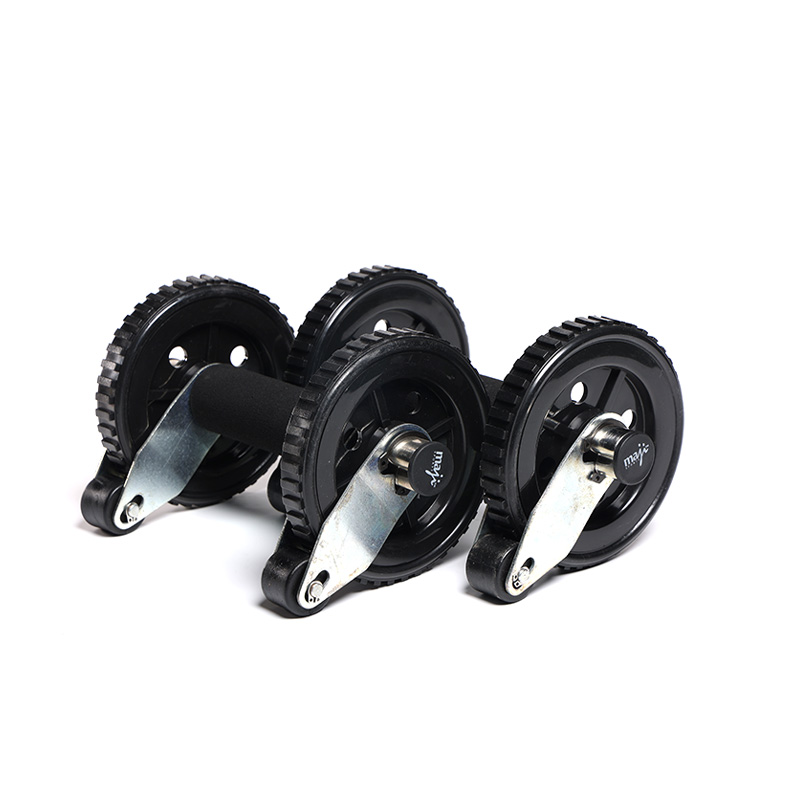 Brake Abdominal Wheel for Core Strength TrainingCompact brake ab wheel with PP/PVC/TPR construction; check factory test reports, model matching, and rated user weight before sourcing.View Product →
If you are sourcing rather than buying one unit, review the factory page and ask for current test reports, not old certificates. Check that the report matches the model, the market, and the maximum user weight on the label.
Match Specifications to Real Users, Not Catalog Headlines
Catalog headlines hide the details that decide whether equipment survives. Four specifications deserve a closer look.
- User weight rating. A 120 kg user on a 100 kg rated product is a warranty claim waiting to happen. Ask for the rated load and the intended user profile, not just a generic "heavy duty" claim.
- Material choice. TPE, PVC, PP, ABS, steel, and foam behave differently under load. A thicker mat is not always better; density, rebound, and wet grip matter more than color.
- Tolerances. Hole spacing, tube fit, and pulley alignment affect wobble, noise, and premature wear. Loose tolerances are expensive after the first month.
- Service parts. Wheels, cables, foot pads, knobs, and upholstery panels should have part numbers. If the supplier cannot name them, they cannot support the product after the first order.
Material choice changes the feel and the claim. A TPE yoga mat can offer good grip and lower odor than some PVC mats, but thickness alone does not prove quality. Check density, rebound, and wet-grip performance. For ab wheels, PP and ABS behave differently under load. For steel frames, ask for tube gauge and weld inspection, not just a powder-coat color.
 TPE Yoga Mat with Double-Sided Non-Slip TextureLightweight TPE mat with cushioning and double-sided grip; compare density, rebound, and wet-grip performance before choosing thickness.View Product →
Ask for a spare parts list with part numbers. That list should include wheels, cables, foot pads, knobs, and upholstery panels where relevant. A supplier who can quote the wear parts is usually better prepared to support the first reorder.
Plan Zones and Flow Before You Buy
Before you order, draw a simple plan. Four zones cover most facilities: cardio, strength, functional, and recovery. Put cardio where noise and sightlines are acceptable. Keep strength near mirrors and storage. Keep functional work out of main traffic. Put recovery where users can slow down without blocking a walkway.
Figure 1. Schematic zone layout. Not to scale; confirm clearances on site.
Mark the floor with tape before you buy. It is cheaper than moving a 200 kg machine later. For a low-footprint conditioning station, a bearing-wire jump rope adds speed work without another machine and stores in a small bin.
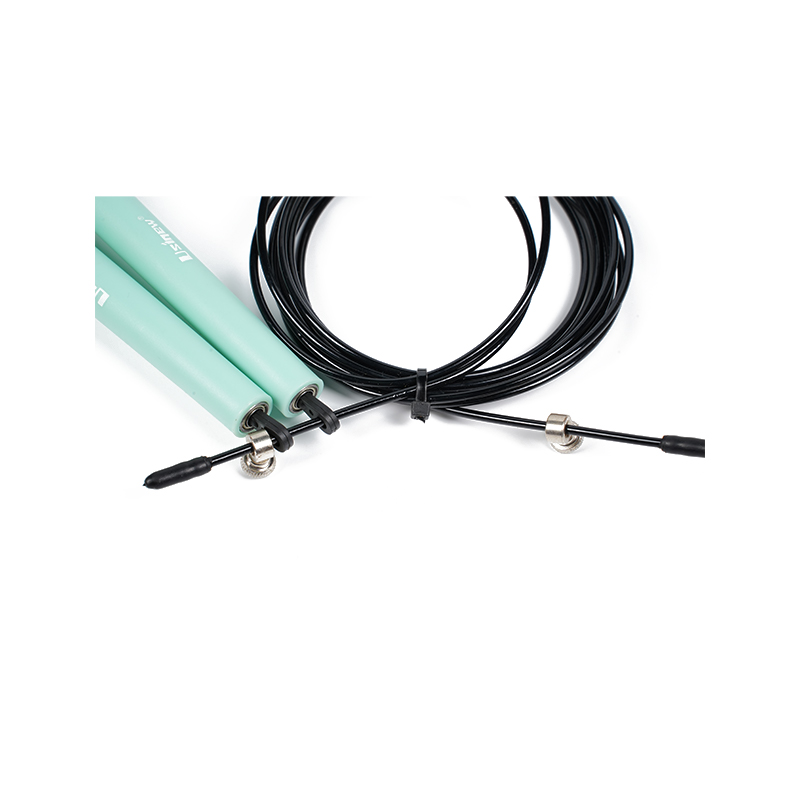 Bearing Wire Jump Rope for Speed ConditioningCompact PP jump rope with 12 cm handle and 80 g weight; adds speed work without another machine and stores easily.View Product →
Do not copy a showroom layout into a different room. Door width, ceiling height, column spacing, and floor loading can change the entire plan.
Use a Buyer's Scorecard to Compare Quotes
Quotes are hard to compare when one supplier bundles shipping, one excludes tax, and one uses different packaging. A weighted scorecard keeps the conversation on the same terms.
Figure 2. Example buyer scorecard weights
Example weighting, not market data. Change the weights by channel and risk tolerance.
Score each quote on the same scale, then ask for evidence. A supplier's certificate and honors page is a starting point, but the test report should match the model and the destination market.
Calculate landed cost, not unit price. Include freight, duty, packaging, and expected replacement parts for the first year. A lower unit price can lose on the second order when parts are unavailable.
Check Compliance, Packaging, and After-Sales Before You Commit
Compliance is not a logo on a website. Ask for test reports, labels, warnings, maximum user weight, and assembly instructions in the destination language. For electrical cardio equipment, check voltage, plug type, and the certification required in that market.
Packaging decides whether the product arrives sellable. Ask about carton drop testing, internal protection, hardware bags, and manual placement. A gym cannot install a product that arrives with missing bolts, and a retailer cannot sell a carton that has burst in transit.
After-sales support should be written into the quote. Confirm warranty terms, spare part ratio, lead time, and minimum order quantity. Ask what happens when a cable snaps, a foot pad wears out, or a wheel bearing develops play. The answer tells you more than a catalog photo.
- Pre-shipment checklist: model, quantity, color, logo, manual language, hardware bag, carton marks.
- Quality checklist: weld appearance, moving parts, upholstery, weight stack labels, stability.
- Service checklist: spare parts list, warranty terms, contact path, packing list.
A Practical Starter Mix for Home, Studio, and Commercial Buyers
The right mix depends on the user and the room, but three common starting points are useful.
Home starter
A TPE mat, resistance band set, jump rope, adjustable dumbbells or an ab wheel, and a foam roller cover strength, cardio, and recovery without taking over a room.
Studio or class setup
Mats, blocks, straps, Pilates rings, bands, small dumbbells, ab wheels, and jump ropes support group classes and one-to-one sessions. Buy in sets and color-code sizes.
Commercial floor
Cardio machines, cable stations, leg press, benches, dumbbells, plates, functional tools, and high-use mats need service access and a spare parts plan before opening day.
Whatever the segment, buy one spare of the top wear parts. A small box of jump rope bearings, ab wheel wheels, or resistance band clips can prevent a small failure from becoming a return.
Frequently Asked Questions About Gym Equipment
Q1. What are the most common gym equipment names?
Common names include treadmills, ellipticals, rowers, stationary bikes, cable machines, leg press, chest press, dumbbells, barbells, resistance bands, jump ropes, yoga mats, and foam rollers.
Q2. What is the best home gym equipment for beginners?
A mat, resistance bands, a jump rope, a pair of dumbbells, and a small bench cover most beginner needs. Add an ab wheel or balance board once the basic routine is consistent.
Q3. How much space do I need for a home gym?
Space depends on the movement. You need room to lie down, swing a jump rope, and store weights safely. Mark the floor with tape and keep clear access around every piece before you buy.
Q4. What gym equipment is best for weight loss?
Cardio equipment helps with energy expenditure, while strength equipment helps preserve muscle. A mix of jump rope, bike or rower, dumbbells, and bodyweight tools is practical for most users.
Q5. What is the difference between home and commercial gym equipment?
Commercial equipment is built for longer duty cycles, heavier users, and more frequent service. Home equipment can be lighter, but it still needs a clear user weight rating and replaceable wear parts.
Q6. How do I maintain gym equipment?
Clean touch points, inspect cables and moving parts, tighten bolts, and replace worn pads or wheels. Keep a spare parts list and check high-use machines on a weekly schedule.