ENG
ENG
 English
 Français
 Español
 عربى
عربى
A gym member points at the angled sled in the corner and calls it "the leg thing". The trainer calls it a 45-degree leg press. A buyer in Dubai calls it a plate-loaded lower-body station and asks for a price per container. All three mean the same piece of steel, and the gap between those names is where workout plans and purchase orders both go wrong.
Here is the short answer first: leg equipment in a commercial gym comes down to a leg press, a hack squat, a leg extension, a seated or lying leg curl, a hip thrust or glute drive machine, an adductor/abductor machine and a calf raise. A second, portable layer — thigh masters, ankle weights, resistance bands and pilates rings — covers home and studio use. What follows is the naming map, what each item trains, and the spec points worth locking down before an order is signed.
Leg Equipment Names at a Glance
The same machine carries four or five names depending on whether you are reading a gym floor plan, a training programme or an export catalogue. Members and buyers use different words for identical steel.
| Common name | Also called | Main target | Typical form |
|---|---|---|---|
| Leg press | 45-degree leg press, seated leg press, "the sled" | Quadriceps, glutes, hamstrings | Plate-loaded or pin-loaded sled |
| Hack squat | Hack slide, reverse hack squat | Quadriceps, glutes | Angled sled with shoulder pads |
| Leg extension | Knee extension machine | Quadriceps | Seated, pin-loaded |
| Leg curl | Hamstring curl, lying or seated leg curl | Hamstrings | Lying, seated or standing |
| Hip thrust machine | Glute drive, booty builder, belt hip thrust | Glutes, hamstrings | Belted hip thrust station |
| Adductor / abductor | Inner and outer thigh machine | Adductors, abductors | Seated, pin-loaded |
| Calf raise | Standing or seated calf machine | Gastrocnemius, soleus | Standing or seated frame |
| Smith machine | Guided barbell, fixed-track rack | Whole lower body | Vertical or angled rail frame |
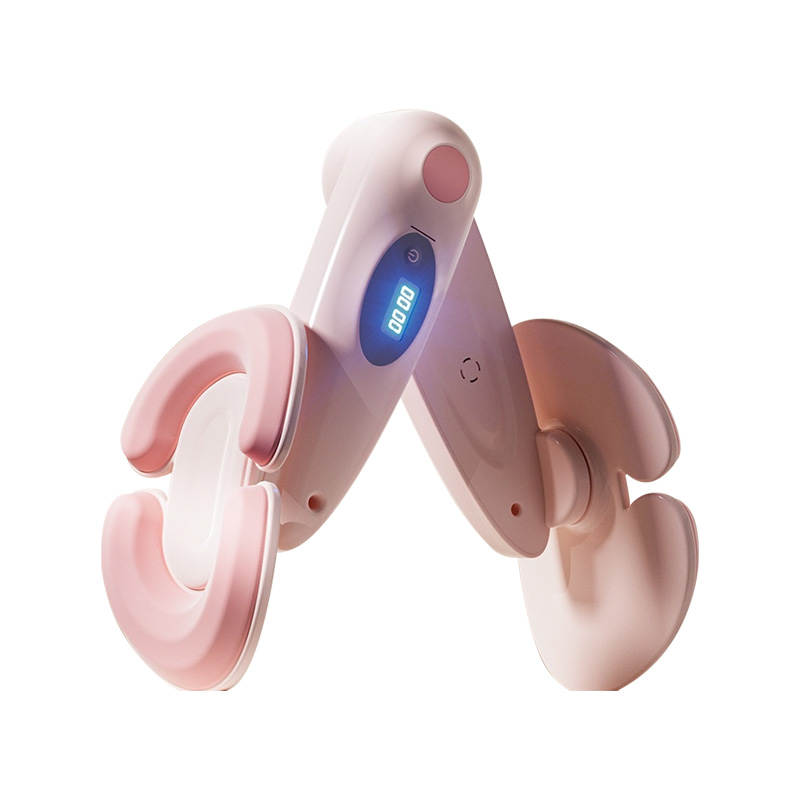
| Thigh master | Leg clamp, leg trainer | Inner thighs | Spring or resistance clamp |
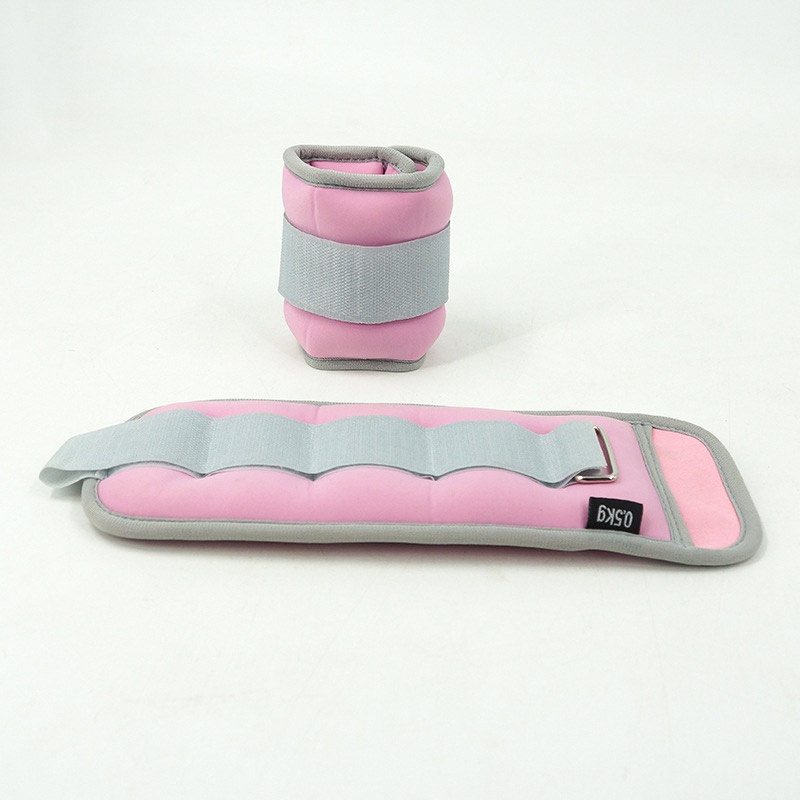
| Ankle weights, bands | Strap-on weights, resistance loops | Hip flexors, glutes, hamstrings | Portable, strap-on |
Compound Leg Machines: Press, Hack Squat, Smith
Three names carry most of the load on leg day, and they all do the same job: moving heavy weight through the knee and hip at the same time.
The leg press is the sled you sit in and push with both feet. Two formats dominate — the 45-degree press, where the sled travels up an inclined rail, and the horizontal press, where it runs on a flat track. Plate-loaded versions take 50 mm Olympic plates; pin-loaded versions use a weight stack and a selector pin, which adjusts faster but caps the load. Ask about the rail and bearing specification rather than the frame colour, because cheap roller bearings are the first thing to fail on a heavily used press.
The hack squat is the angled sled with shoulder pads that holds the torso in place; machines differ mainly in backrest angle, footplate angle and handle position. The Smith machine is a guided barbell on fixed rails, usually counterbalanced and fitted with safety catches — vertical rails suit squats, while 7-degree angled rails feel closer to a free-weight squat.
Isolation Machines: Leg Extension and Leg Curl
Two machines do the detail work once the compound lifts are finished, and they are the pair most often confused in conversation.
The machine you sit in and straighten your knees against a padded roller is the leg extension. It is the only common machine that trains the quadriceps with the hip held still, which makes it useful in rehabilitation and for finishing a session when the quads are already tired. Check the roller adjustment: several holes let users with different shin lengths line the pad up above the ankle instead of on the shin.
The machine that curls your heels towards your glutes is the leg curl. Seated and lying versions are not interchangeable. A seated curl holds the hip in flexion, so the hamstrings — which cross both the hip and the knee — are under stretch at the start of the movement; the lying version takes less floor space. Standing calf raises complete the group, and the padded shoulder blocks plus the step height are the two details worth measuring.
Leg extension1
Seated leg curl1.5
Leg press2
Hip thrust machine3
Hack squat3.5
Barbell squat5
Hip, Glute and Adductor Equipment
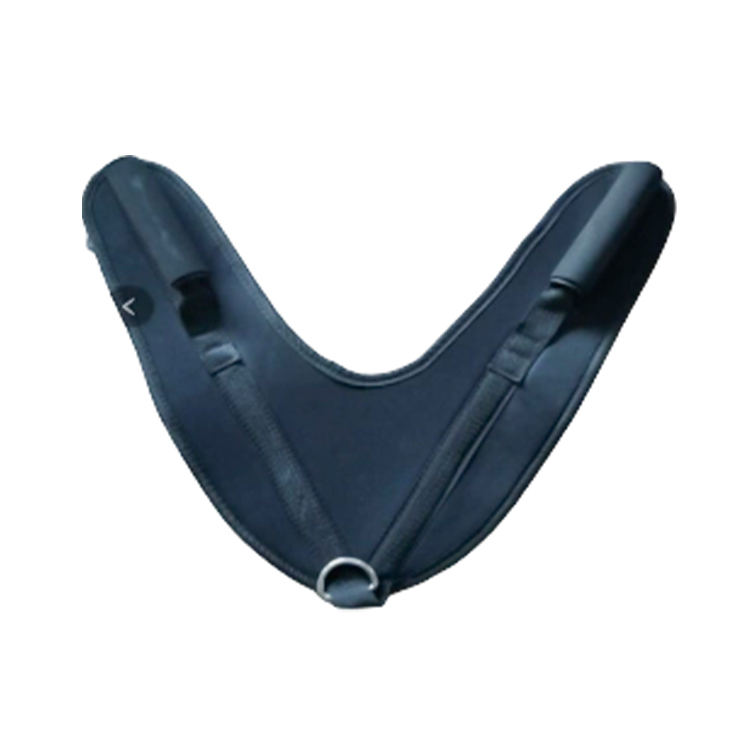
Not every leg machine works the knee. The hip thrust machine — sold as a glute drive or a belt hip thrust — pads the pelvis and lets the user push a loaded belt or platform upwards with the hips. Glute kickback machines do the same job one leg at a time, while a cable version with an ankle strap costs a fraction of the price and takes almost no floor space.
The adductor and abductor machines train the inner and outer thigh. They are the ones members describe as "that inner thigh thing", and they have a portable cousin many buyers know better than the machine itself: the thigh master, a spring clamp squeezed between the knees. For home users it is the cheapest way to load hip adduction; for a hotel gym or studio, three resistance levels cover most users at a fraction of the cost of a seated station.
Portable Leg Equipment for Home and Studio
Equipment that lives in a cupboard is a different category, and it is where most home leg training actually happens. The list is short: ankle weights, resistance bands, pilates rings, sliders and balance boards.
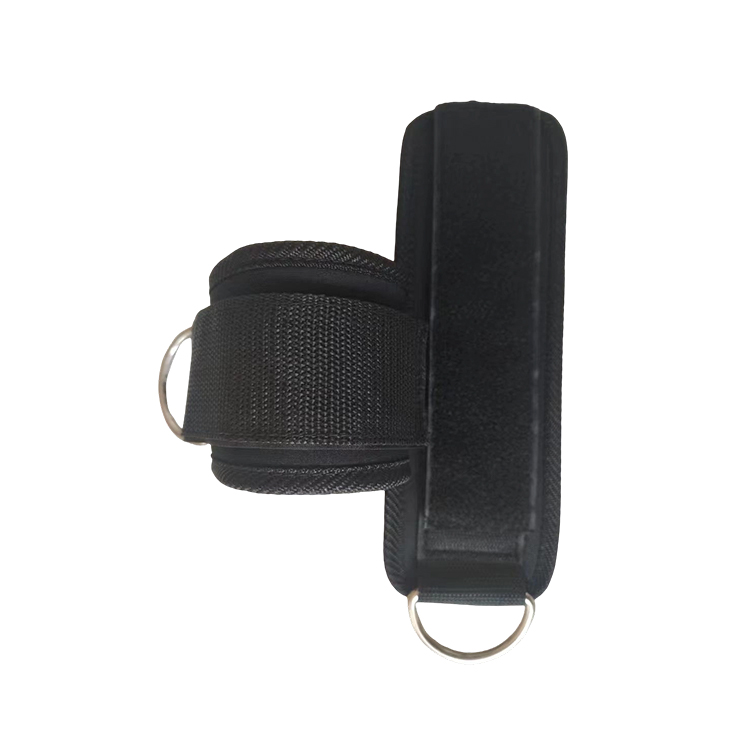
Ankle weights add load to leg raises, kickbacks and hip flexor work without a cable stack. Check strap stitching and the closure first — hook-and-loop that stops gripping after a few dozen sessions is the most common complaint in this category, and it is a cheap fix at the factory level but an expensive return at the retail level. Resistance bands cover glute work, hip abduction and hamstring curls, and a set with three to five tension levels outsells a single band because one box serves a whole household.
For a wider view of which pieces earn their place in a small setup, see our note on the most essential fitness equipment.
What Buyers Verify Before an Order
Names cost nothing; the specification is where money changes hands. Four points settle most arguments on a leg-equipment quotation.
- Sleeve diameter. Olympic plates need a 50 mm sleeve, standard plates need 25 mm. Mixing the two is one of the most common returns in small-gym supply, and no amount of packaging quality hides it.
- Loading system. Pin-loaded stacks adjust in fixed steps, usually 5 kg or 10 lb — fast for group use but capped in load. Plate-loaded machines go heavier and are easier to service in a market without spare-part supply.
- Pads and foam. Ask for foam density and vinyl thickness. A leg extension roller that flattens within a year is a warranty claim, not normal wear.
- Base stability. A leg press that rocks under load damages both the floor and the frame. Ask about footplate thickness and whether the frame is welded or bolted.
Explore our strength training equipment range to compare formats side by side.
25 kg plate
20 kg bar (men)
15 kg bar (women)
5 kg stack step
2.5 kg plate
Recovery Tools That Belong on the Same Order
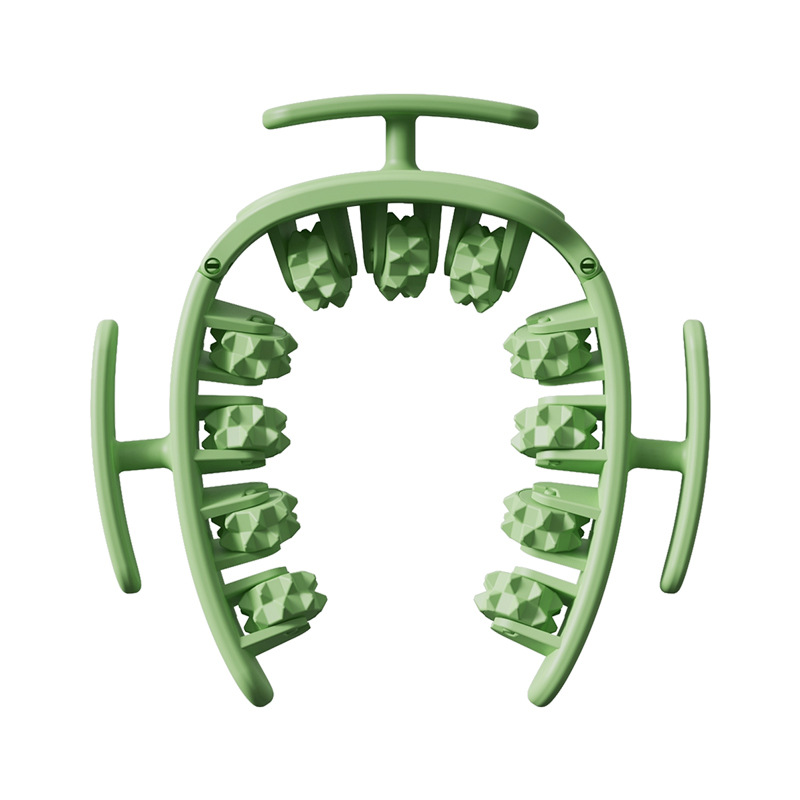
Leg day ends with soreness, and that has built a second product family. Foam rollers, massage sticks and massage balls usually sit on the same purchase order as the machines, because buyers who stock leg presses also stock something to recover from them.
The specification is simple. A massage stick should roll smoothly without catching, and its surface should stay dense enough that it does not flatten after a few months of studio use. A roller with a hollow core and a solid EVA skin holds its shape better than a foam-only version, and a textured surface gives users a level of pressure control that a smooth one cannot.
Matching Equipment to a Floor Plan and a Budget
A leg-day order rarely arrives as one machine. Gyms, studios, hotels and home buyers each need a different mix, and the same budget buys very different things depending on which of three routes a customer takes: a pin-loaded machine circuit, a free-weight rack with a bar and plates, or a portable kit of bands, ankle weights and a thigh master.
The trade-offs are predictable. Machines are easiest to use and most forgiving on joints, but they cost the most per station and take the most floor space. Free weights load heavier for the same money but demand coaching. Portable tools cost and weigh almost nothing, and they are the only option that fits in a cupboard — which is exactly why they sell well next to the big iron.
Pin-loaded machines Free weights Portable tools
Frequently Asked Questions About Leg Equipment
Q1. What is the machine at the gym where you push with your legs?
It is the leg press. The 45-degree version is the most common; a horizontal version trains the same muscles from a flat track.
Q2. What is the machine called that you curl your legs back on?
The leg curl, or hamstring curl. It comes in seated and lying versions, and the seated one stretches the hamstrings more at the start of each rep.
Q3. Which leg machine builds the most muscle?
The leg press and hack squat, because they allow the heaviest loads. Leg extensions and leg curls add detail and are far easier on the lower back.
Q4. What do you call the machine where you open and close your legs?
The abductor machine opens the legs and trains the outer thigh; the adductor machine closes them and trains the inner thigh. Home versions are sold as thigh masters.
Q5. Is a thigh master as good as a gym adductor machine?
No. It cannot load progressively past its spring resistance, so it works as a compact, low-cost home option rather than a replacement for a weighted machine.
Q6. How much leg equipment does a home gym really need?
Usually none of the big machines. A resistance band set, a pair of ankle weights and a thigh master cover glutes, hamstrings, quads and adductors for less than one weight stack.