ENG

 English
 Français
 Español
 عربى

Six o'clock on a Monday is when a gym's equipment choices stop being theoretical. A member waits for the leg press, the current user strips four plates off each side, and the queue gets longer. That single moment explains most of the practical gap between selectorized and plate-loaded gym equipment: one design is built for speed and accessibility, the other for an open-ended resistance ceiling.
Here is the short answer before the detail. Selectorized machines — the ones with a built-in weight stack and a pin — win on turnover, beginner confidence and floor management. Plate-loaded machines win on load ceiling, fine adjustment and mechanical simplicity. Buy selectorized for the bulk of your membership, and plate-loaded for the people who will outgrow a 250 lb stack within a year.
- Choose selectorized when beginners, casual members, hotels or rehab clients dominate the floor.
- Choose plate-loaded when strength is the product: powerlifting, athletic performance, university weight rooms.
- Buy both when you have 3,000 sq ft or more and a mixed membership — which is most clubs.
What actually separates the two designs
Selectorized equipment carries its resistance inside the frame. A stack of steel plates rides on two guide rods, a cable runs over pulleys to the handle or pad, and you select the load by sliding a pin through the stack. Plate-loaded equipment has no stack at all — the resistance is Olympic plates hung on loading horns mounted to a lever arm that pivots on a frame.
Everything else follows from that one decision: how fast a set can be changed, how heavy the machine can get, how many parts can fail, and how much floor space disappears into plate storage.
| Attribute | Selectorized | Plate-loaded |
|---|---|---|
| Resistance source | Internal stack on guide rods | Olympic plates on loading horns |
| How load changes | Pin into the stack | Load or unload plates per side |
| Typical increment | 10–15 lb (4.5–7 kg) per plate | 2.5–10 lb, set by your smallest plate |
| Typical ceiling | 200–300 lb (91–136 kg) on most commercial stacks | Set by machine capacity and plate supply |
| Floor space | Deeper frame, no plate racks | Smaller frame plus storage and loading clearance |
| Wear points | Cables, pulleys, guide rods, bushings | Pivots, bearings, horns, frames |
| Best fit | General clubs, hotels, rehab, beginners | Strength gyms, performance centers, universities |
How the resistance is set, side by side
Selectorized: the ceiling is a purchasing decision
Because the manufacturer builds the stack, the machine's maximum resistance is fixed at the factory — commonly 200–300 lb (roughly 90–136 kg) on commercial stacks, with 10–15 lb steps. That is plenty for general fitness and much of the rehab market, and nowhere near enough for a heavy lifter working single-leg patterns. The cable-and-pulley path also lets designers shape the resistance curve with a cam, so the machine can feel heavier where the muscle is strongest.
Plate-loaded: the ceiling is whatever you own
On a plate-loaded machine, load is applied directly to a lever. There are no cables to stretch or pulleys to service, and the resistance curve is set by the geometry of the pivot and by where the plates hang. Many machines offer two or three horn positions so members can change the torque curve themselves. The trade-off is that the machine is only as heavy as your plate supply and only as precise as your smallest plate.
Feel, increments and micro-loading
The first difference members notice is the increment. A 10 lb pin jump is fine on a lat pulldown; it is a wall for a 120 lb member pressing overhead, and a rounding error for a 300 lb bencher. Plate-loaded stations let a lifter add 2.5 lb per side with fractional plates, which is why strength coaches gravitate toward them.
The second difference is feel. Selectorized machines are consistent: the cable path is identical for every user, the start position is fixed, and setup takes seconds. Plate-loaded machines feel closer to free weights because the load rides a lever arm — more variation between users, and more room for a member to set the machine up badly.
Peak-hour math: seconds per set
Floor throughput is a capacity question, not a comfort question. If a station takes 30 extra seconds to reload and 40 members use it across a three-hour peak, you have lost roughly 20 minutes of usable station time. Spread that across a twenty-station floor and the case for pin-loaded equipment in high-traffic zones becomes arithmetic rather than opinion.
The numbers also explain a common compromise: put selectorized machines where the queue forms, and plate-loaded equipment in a strength zone where members expect to spend time loading. Mixing the two types in one run of machines usually slows everybody down.
Space, storage and the footprint nobody budgets for
A plate-loaded machine looks smaller on a spec sheet because it has no stack — but it is not smaller in the room. Plates must live within arm's reach, usually on a tree or rack, and members need clearance around a loaded horn. Budget roughly 1.5–2 m of working space around each station and count the plate storage as part of the station, not as separate storage.
Selectorized machines are deeper than they look because the stack sits behind or beside the user, but they need no plate storage and no loading zone. In tight rooms that often makes them the more space-efficient choice despite the larger frame.
Cost, maintenance and the five-year view
Per station, a selectorized machine usually costs more up front and carries more wear points: cables, pulleys, guide rods, bushings and the stack itself. A commercial floor should follow a scheduled inspection of cables and pulleys — most manufacturers publish an interval, and skipping it is how gyms end up with frayed cables and downtime. Plate-loaded machines have fewer failure points, but they absorb abuse: dropped plates, bent horns and worn bushings from years of one-sided loading.
Plate-loaded equipment is generally cheaper per station — but only if you already own the plates. If you are starting from zero, price plates, collars and storage before comparing quotes.
Building a mix that matches your members
Read the chart as a starting position, not a verdict. If your membership is two-thirds beginners in a corporate building, the selectorized profile is the better default and plate-loaded equipment becomes a small, deliberate strength corner. If you run a performance facility, invert it: plate-loaded becomes the backbone and selectorized handles warm-ups, rehab and accessory work.
One practical fix for the classic complaint — "the stack is too light" — is not a second machine. Add-on resistance lets a strong member load bodyweight and cable work without occupying another station.
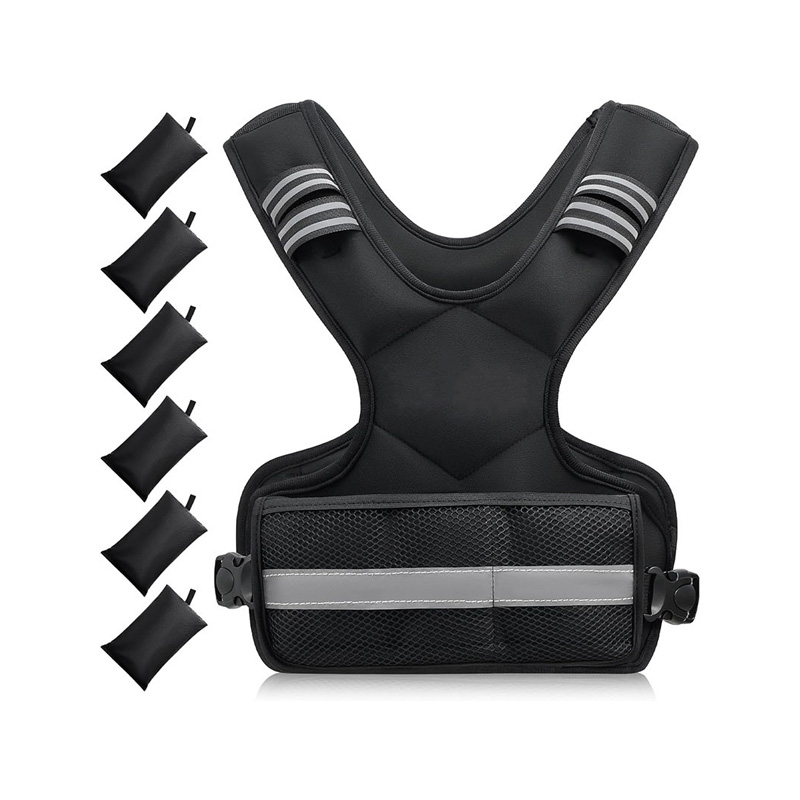 Neoprene Training Weighted Vest, 10 kgA 10 kg neoprene weighted vest that adds resistance for bodyweight and cable work without occupying another machine station.View Product →
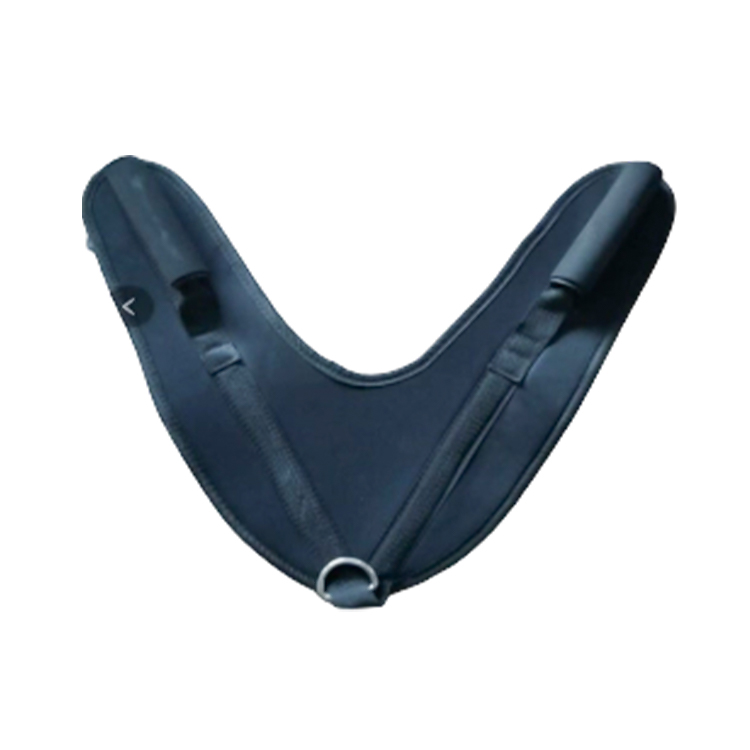
Weighted vests, ankle weights and bands extend the useful life of every selectorized machine in the building for a fraction of the cost of another station, and they travel easily between zones.
Sourcing the pieces around the machines
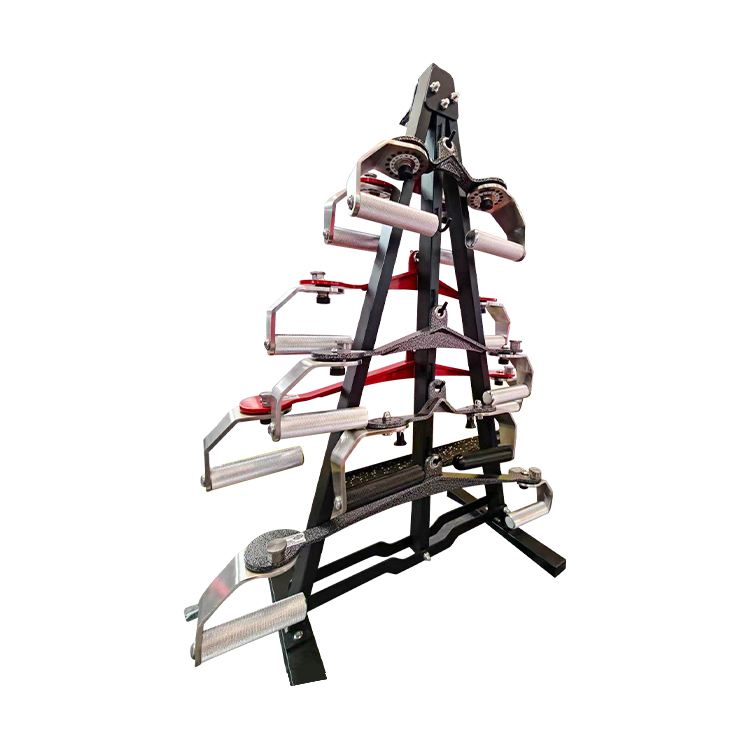
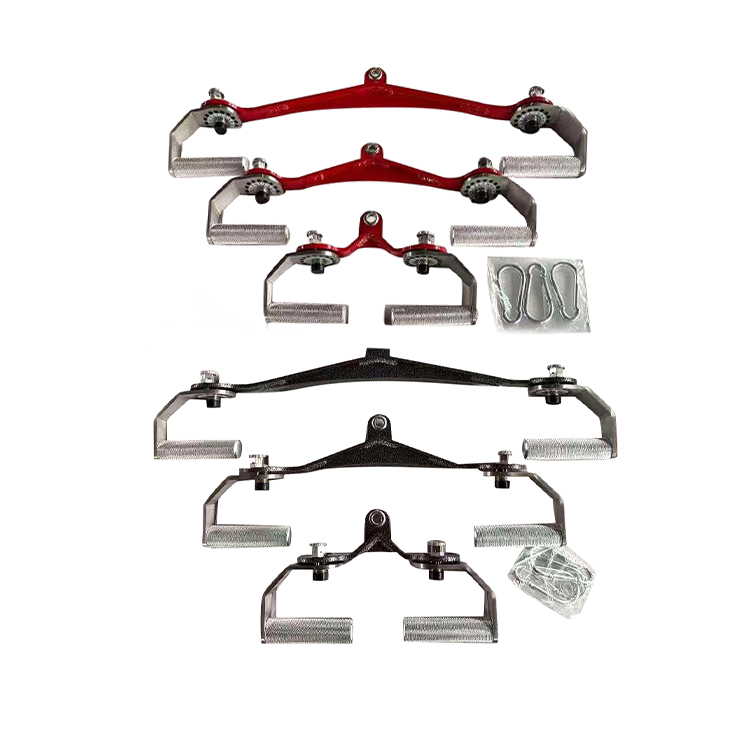
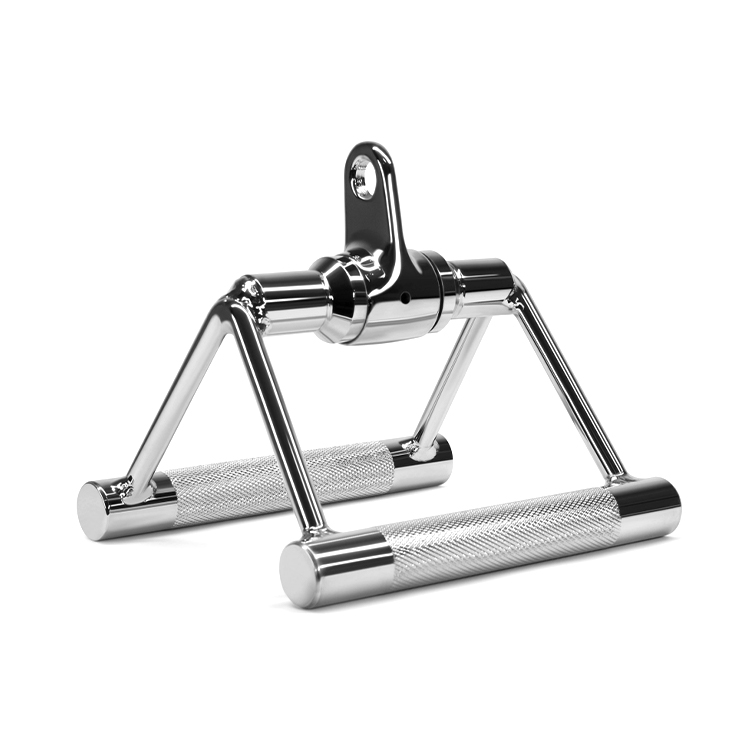
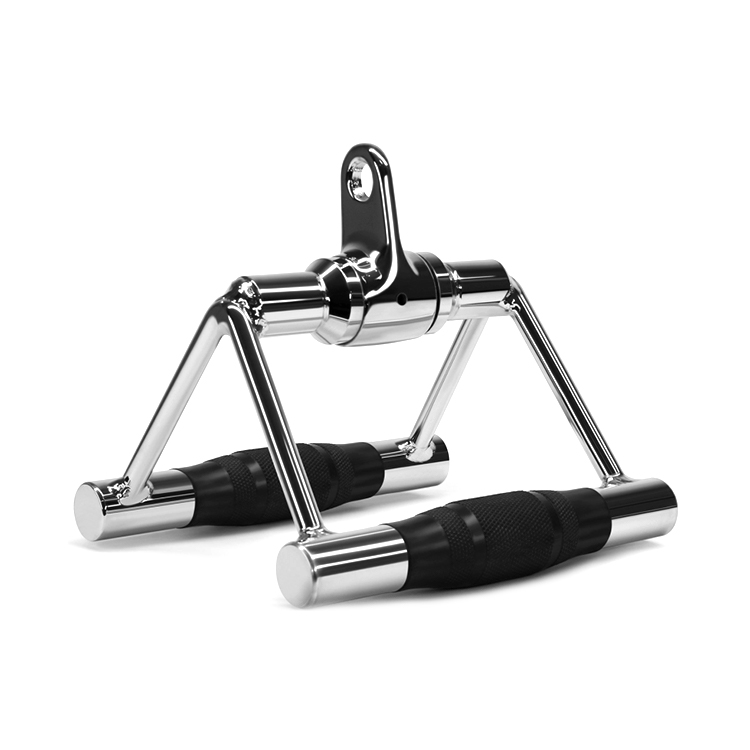
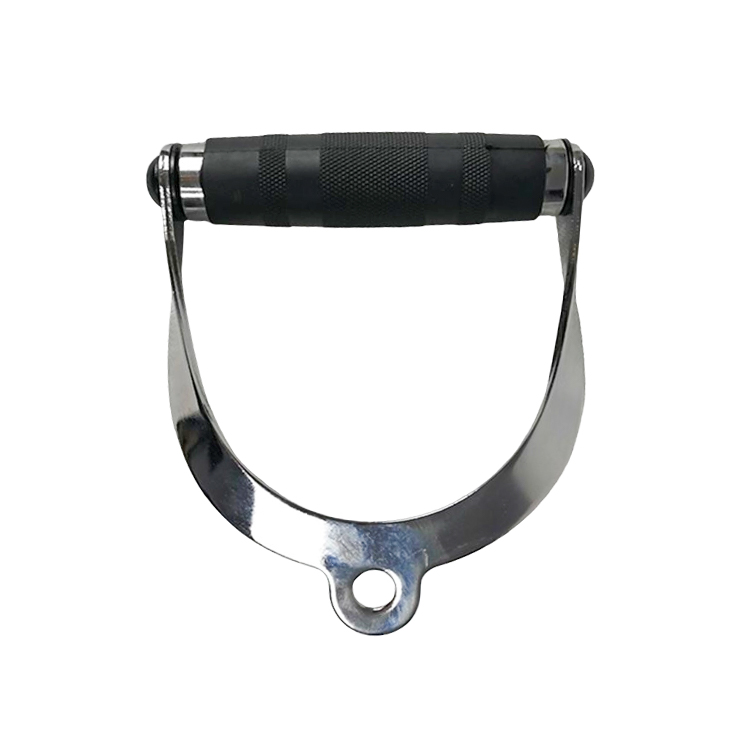
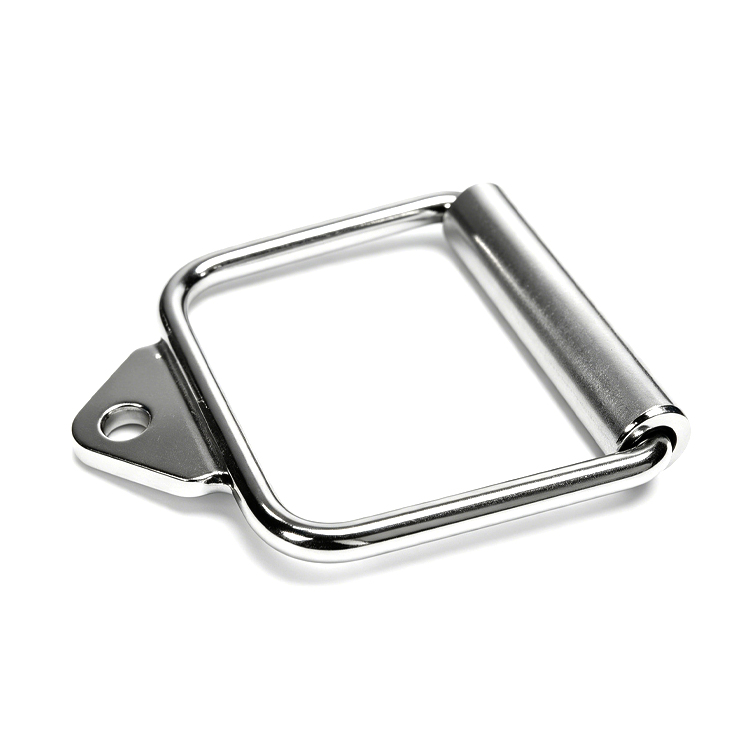
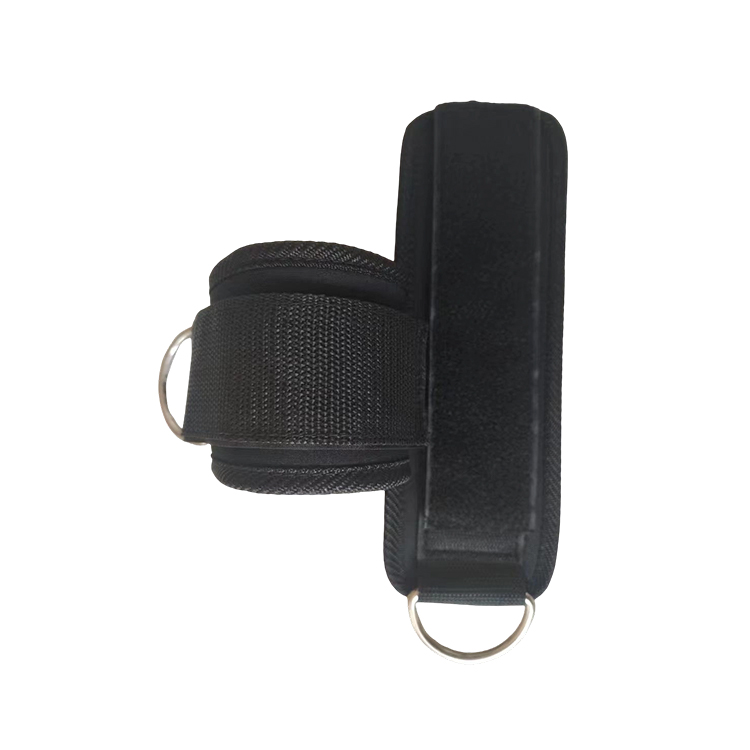
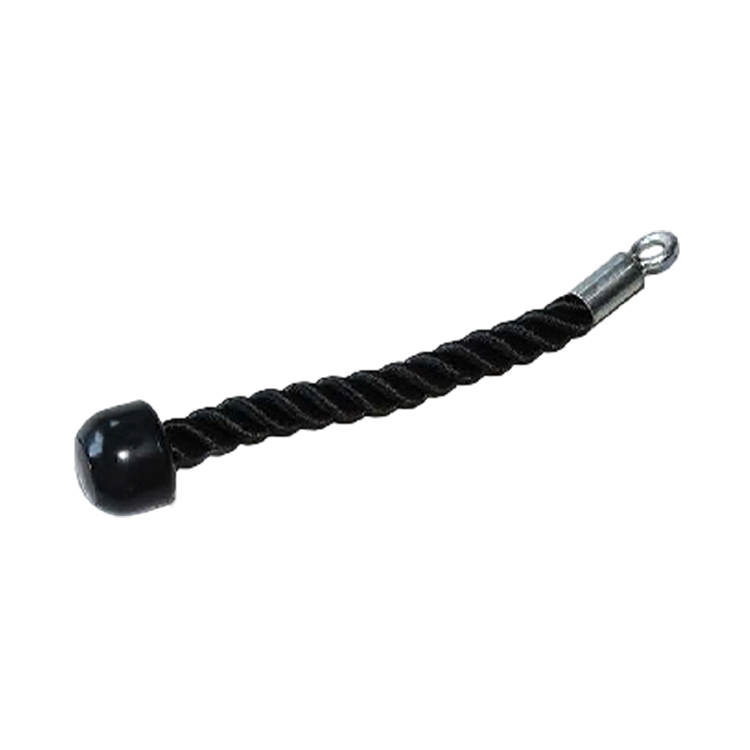
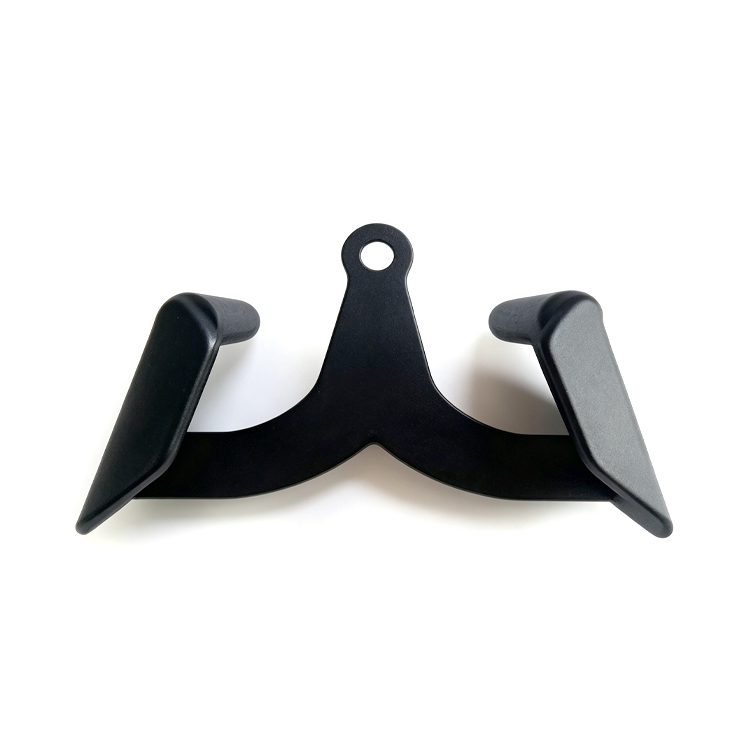
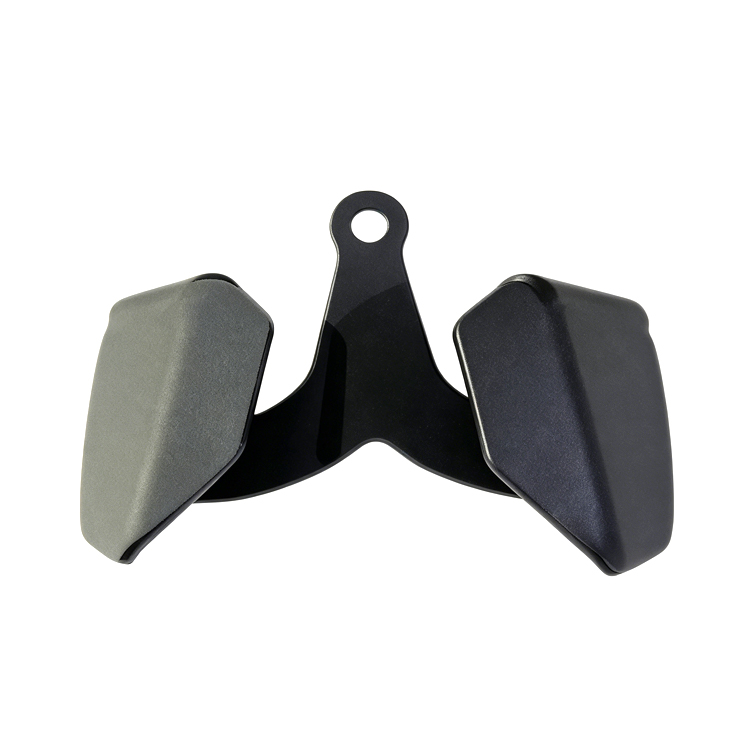
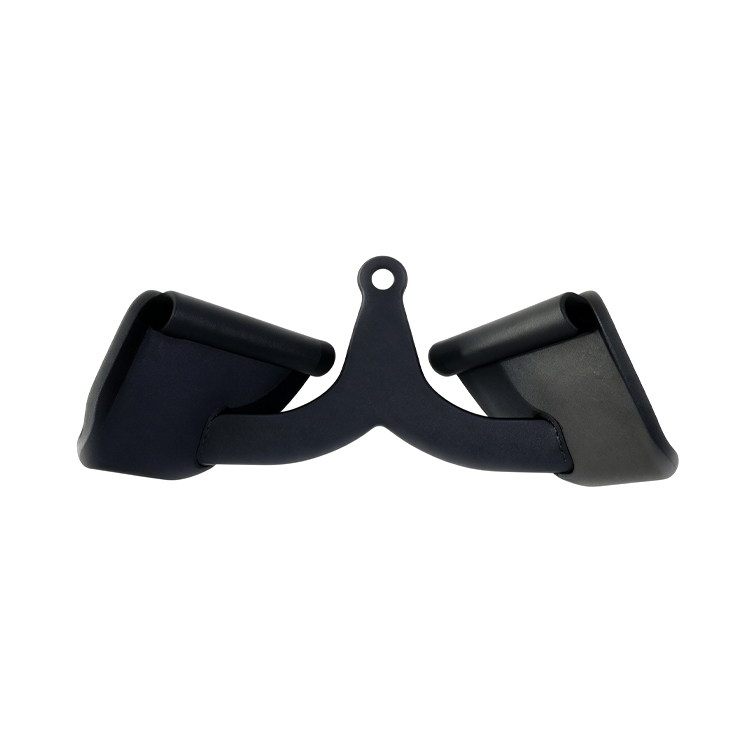
Machines take the budget; the accessories decide whether the floor feels finished. Plate-loaded zones need mats, collars, plate trees and a broom within reach. Selectorized zones need handles, ankle straps and a warm-up area that does not compete with the queue. Smaller items — ab wheels, jump ropes, resistance bands, grip trainers, plyo boxes and foam rollers — are inexpensive per square metre and are what members actually use between sets.
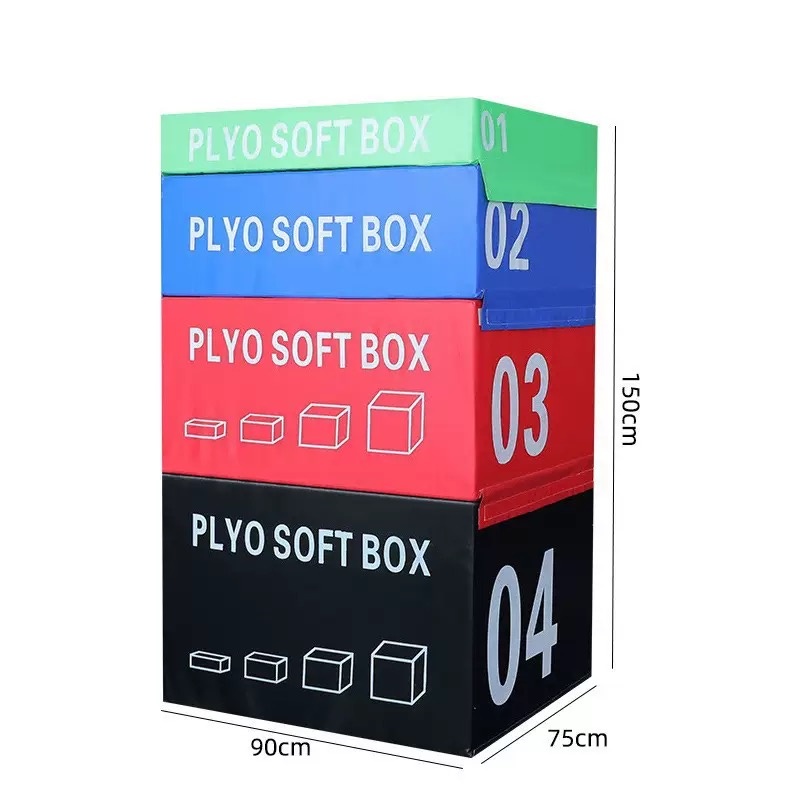 Leather PVC Plyo Jump Box for Strength TrainingLeather PVC jump box available for OEM/ODM supply, positioned as small strength-training equipment to fill gaps in a gym floor.View Product →
For importers and distributors building a container order, the real question is whether one supplier can cover both the machine accessories and the small equipment that fills the gaps. A look at the production floor answers more than a catalogue photo, and order terms, MOQs and lead times are usually covered in the supplier FAQ.
Recovery corners are the cheapest retention feature on any floor. A rack of massage balls and a foam roller or two cost less than a single machine and get used every session.
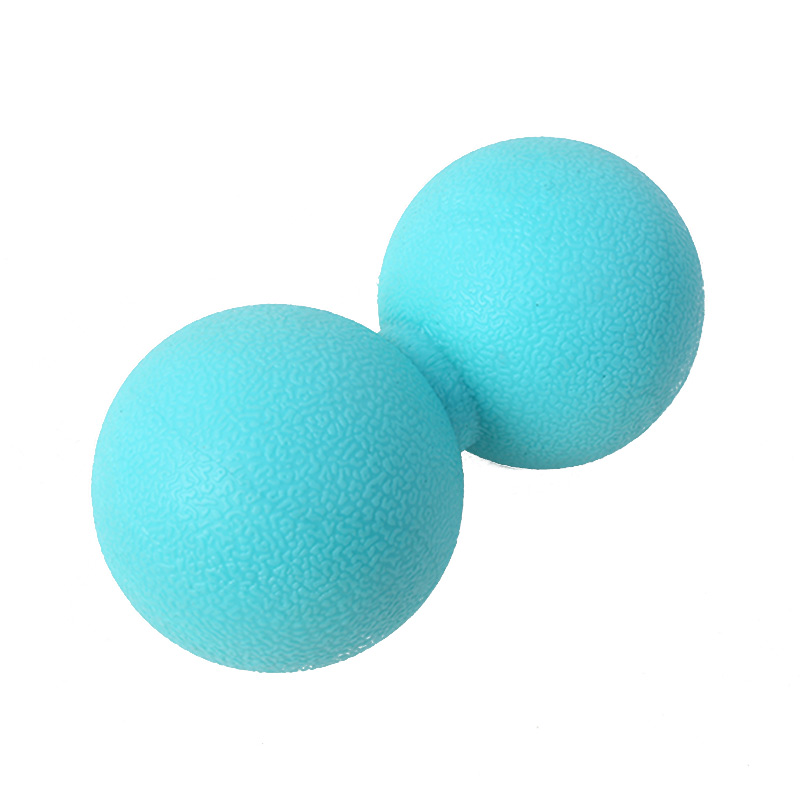 TPR Massage Peanut Ball for RecoveryA 315 g TPR peanut-shaped massage ball for targeted muscle relaxation and post-exercise recovery, suited to a recovery corner.View Product →
Frequently asked questions
Is plate-loaded better than selectorized?
Not universally. Plate-loaded is better where the load ceiling matters; selectorized is better where speed, safety and beginner confidence matter.
Do selectorized machines have a weight limit?
Yes — the stack is fixed. Most commercial stacks top out around 200–300 lb, so check the spec sheet against your strongest member.
Are plate-loaded machines harder to maintain?
Usually easier. There are no cables or pulleys to replace, though pivots, bushings and weight horns still need periodic checks.
Which type is better for a small home gym?
Selectorized, if you can only buy one. It needs no plate storage and changes load in seconds — a real advantage in a tight space.
Can beginners use plate-loaded equipment?
Yes, with guidance. Loading plates is simple, but the resistance curve and starting position vary more, so an induction session helps.
Which type is better for a commercial gym?
Both, in proportion to your member mix. High-traffic clubs usually lean selectorized; strength-focused facilities lean plate-loaded.
The selectorized-versus-plate-loaded decision is not really a debate about which machine is better. It is a question about who is on your floor at 6 p.m., how heavy they need to go, and how many seconds you can afford each of them to spend loading. Get the mix right and the equipment disappears into the training; get it wrong and every peak hour reminds you.