ENG
ENG
 English
 Français
 Español
 عربى
عربى
Before a fitness studio owner or a first-time home gym builder places an order, one decision drives everything else: which types of gym equipment does the space actually need? Every training tool, from a simple jump rope to a full cable crossover station, belongs to one of five functional categories — strength training, cardio and conditioning, functional training, yoga and Pilates, and recovery. Buyers who start with these categories avoid the two most common sourcing mistakes: spending on machines that duplicate the same movement pattern, and under-stocking the small tools that members use every day.
1. Strength Training Equipment
Strength equipment is the backbone of any gym floor and usually the largest line in a fit-out budget. For purchasing purposes, this category splits into free weights, resistance bands, bodyweight and core tools, and grip-specific trainers.
Free Weights and Adjustable Benches
Dumbbells, barbells, weight plates, and adjustable benches remain the reference standard for progressive overload. They demand more floor space and more technique than fixed machines, but every rep forces stabilizer muscles to work. A commercial dumbbell rack usually starts at 2.5 kg and climbs in 2.5 kg steps, while a home setup with one adjustable pair up to 20–25 kg covers most beginning and intermediate programmes.
Resistance Bands and Tube Expanders
Resistance bands and tube expanders are the most space-efficient strength tools on the market. A compact resistance band set can replace a cable station for lateral raises, rows, and assisted pull-ups, and because tension increases as the band stretches, the load profile complements free weights rather than duplicating them. Industry sales data from fitness equipment distributors show portable resistance training as one of the fastest-growing segments in home fitness.
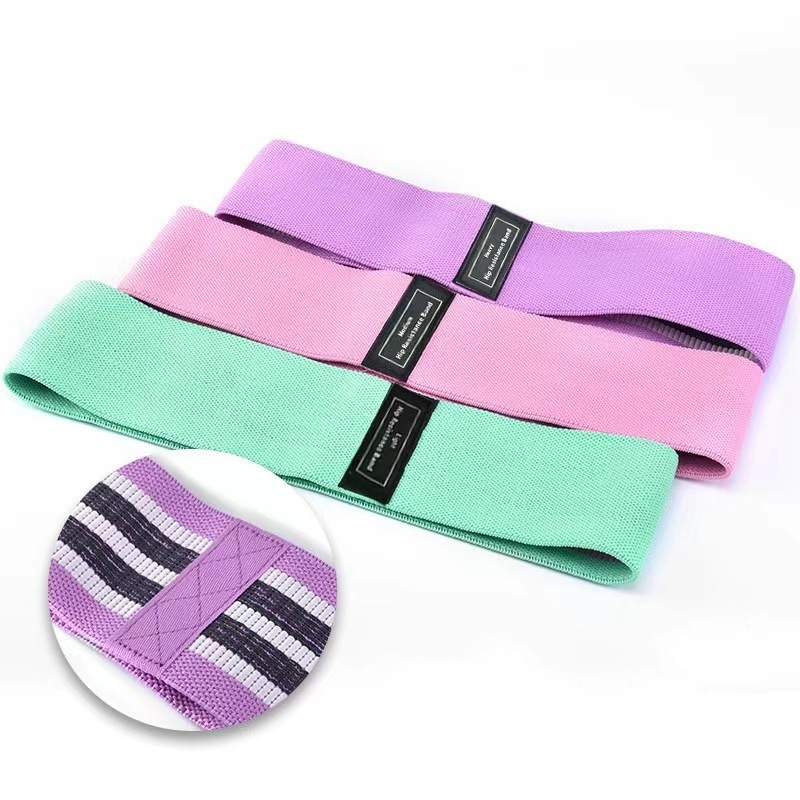 Wholesale Resistance Band Set Suppliers, OEM/ODM Factory - Nantong ChiMa InternaNantong ChiMa International Trade Co., Ltd. is a China OEM Resistance Band Set suppliers and ODM Resistance Band Set factory, Professiona...View Product →
Bodyweight and Core Tools
Push-up bars, pull-up bars, abdominal wheels, and balance trainers form the bodyweight subgroup. Maintenance costs are close to zero and durability is high, so these tools suit both high-traffic commercial floors and compact home rooms. A brake abdominal wheel lets beginners control roll-out distance while advanced users progress to full-range extensions — a progression a standard crunch bench cannot offer.
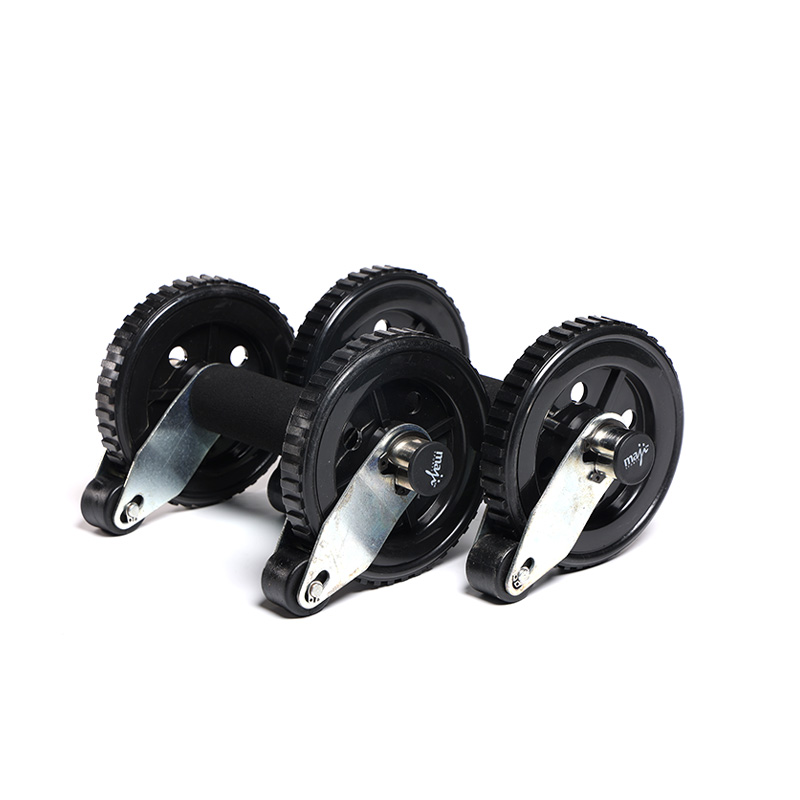 Wholesale Brake Abdominal Wheel Suppliers, OEM/ODM Factory - Nantong ChiMa InterNantong ChiMa International Trade Co., Ltd. is a China OEM Brake Abdominal Wheel suppliers and ODM Brake Abdominal Wheel factory, Profess...View Product →
Grip and Forearm Trainers
Hand grippers, grip rings, and wrist strengtheners are often forgotten at the planning stage, yet they support nearly every pulling and pressing movement. These small tools are inexpensive to add to a bulk order and are especially popular with endurance athletes, climbers, and sports teams. Their compact size also makes them a convenient add-on sale for retailers.
2. Cardio and Conditioning Equipment
Treadmills, stationary bikes, elliptical trainers, stair climbers, and rowing machines anchor the cardio zone of a commercial club. For small facilities and home buyers, two portable alternatives deliver comparable conditioning with a fraction of the footprint.
Large Cardio Machines
Treadmills and bikes are high-ticket items with significant maintenance requirements; ellipticals and rowers offer joint-friendlier patterns. These machines earn their floor space in commercial settings where member volume justifies the outlay, but in a home space smaller than 20 square metres they tend to crowd out other equipment categories.
Compact Cardio Alternatives
Jump ropes and aerobic step platforms answer the same conditioning need in a portable form. The World Health Organization recommends at least 150 minutes of moderate-intensity aerobic activity per week; a ten-minute jump-rope interval session reaches that intensity range easily, requires no setup time, and stores in a drawer.
3. Functional Training Equipment
Functional training is the fastest-growing category on modern gym floors, according to industry equipment trend reports. Its tools — agility ladders, balance boards, training cones, medicine balls, and cable-based functional trainers — train movement patterns rather than isolated muscles.
Balance and Coordination Tools
Balance boards, balance plates, and waist-twisting discs challenge the trunk and ankles in ways that pin-loaded machines cannot reproduce. They are compact, low-cost, and pair naturally with strength work, making them popular for facilities serving athletes and older-adult members.
Speed and Agility Accessories
Agility ladders and training marker cones are standard for team sports and group classes. The unit price is low, but the range of drills they unlock is enormous: one ladder and five cones can programme footwork patterns for a whole group session.
4. Yoga and Pilates Equipment
Yoga and Pilates are now core services in most fitness facilities, and their equipment needs are distinct. The category covers mats, blocks, wheels, balls, resistance bands, Pilates circles, and reformers.
Yoga Mats and Support Tools
The yoga mat is the foundation piece of this category. TPE and PVC mats dominate the market because they balance grip, cushioning, and weight for daily practice. A quality TPE yoga mat is the first item most studio owners order for a new class schedule. Blocks and wheels add support and depth, making deep postures accessible to beginners and more demanding for experienced students.
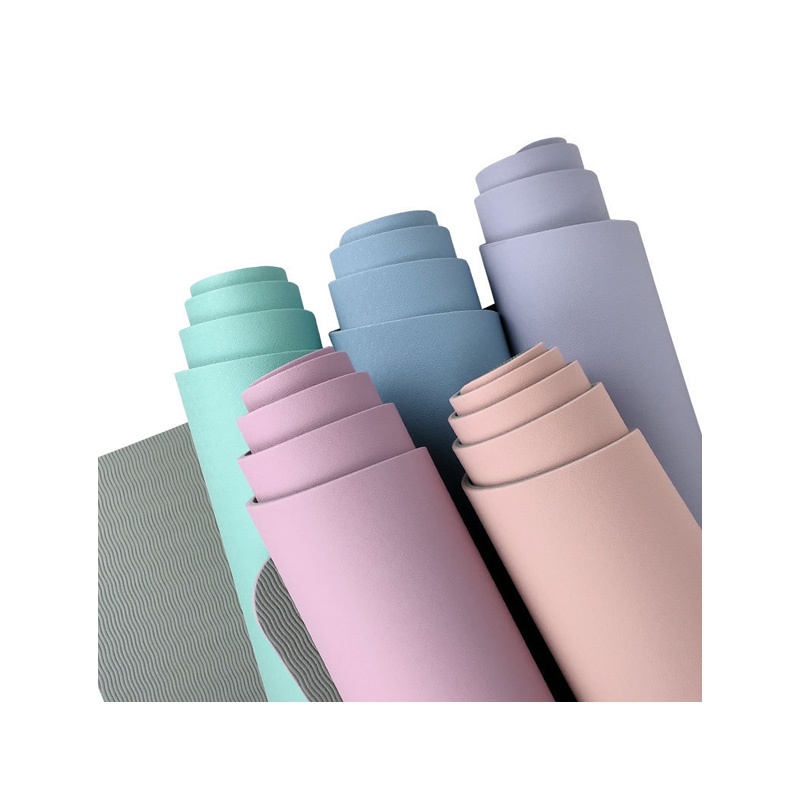 Wholesale TPE Yoga Mat Suppliers, OEM/ODM Factory - Nantong ChiMa International Nantong ChiMa International Trade Co., Ltd. is a China OEM TPE Yoga Mat suppliers and ODM TPE Yoga Mat factory, Professional wholesale TP...View Product →
Pilates Machines and Accessories
Pilates reformers and steady chairs are the major investment; Pilates circles and bands are the economical add-ons. A reformer occupies roughly the same floor area as a rowing machine but offers hundreds of resistance-based exercises, which is why dedicated studios install them in dedicated rooms.
5. Recovery and Mobility Tools
Recovery tools turn a training area into a complete facility. Foam rollers, massage balls, massage sticks, and foot stretchers are the most common pieces, and member surveys consistently rank recovery zones among the most-used areas in clubs that provide them.
Self-Myofascial Release Tools
Foam rollers and massage balls target tight fascia after training. A peanut-shaped massage ball is especially effective for the calves and upper back, while a full-length roller works best on the quadriceps and hamstrings following leg sessions.
Rehabilitation and Correction Tools
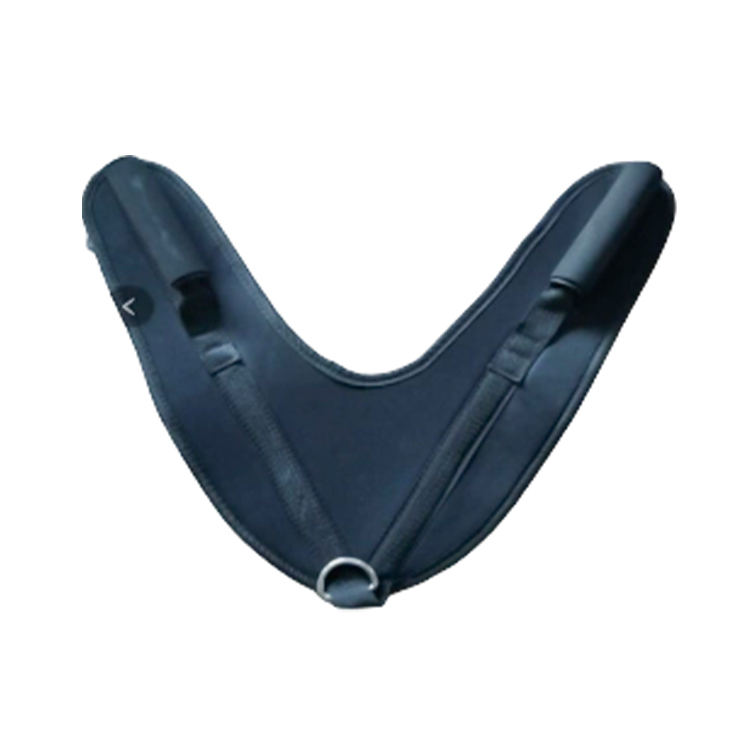
Corrective shoulder pads, foot arch trainers, and similar products sit between fitness and therapy. For facilities with post-rehabilitation clientele, these items differentiate the offer and support long-term member retention.
6. How to Match Equipment Types to Your Space and Budget
Once the five categories are clear, the decision narrows to three constraints: floor area, budget, and the movement profile of your users. Apply them in this order.
- Map the floor area first. A 10 m² home room requires a completely different equipment mix than a 500 m² commercial club.
- Define the movement profile of the users. A strength-focused facility needs barbells and racks; a Pilates studio needs reformers; a general fitness centre needs a balanced mix of all five categories.
- Proportion the budget to use frequency. Items used daily — mats, resistance bands, dumbbells — deserve quality investment; items used occasionally can be purchased later.
The table below summarises the practical trade-offs between the main categories.
| Category | Typical floor space | Relative budget | Best suited for |
|---|---|---|---|
| Strength machines | Large | High | Commercial gyms, athletes |
| Free weights & benches | Medium–large | Medium–high | Most facility types |
| Resistance bands & bodyweight | Small | Low | Home gyms, studios, travel |
| Cardio machines | Large | Very high | Commercial clubs |
| Jump ropes & step platforms | Minimal | Low | All facility types |
| Functional tools | Medium | Medium | Sports and group training |
| Yoga & Pilates | Small–medium | Low–medium | Studios, recovery zones |
| Recovery tools | Small | Low | All facility types |
To visualise the trade-off, the chart below shows a common allocation for a compact home gym build. The exact percentages vary with training goals, but the pattern — free weights and bands taking the largest share, large machines very little — is the one most planners settle on.
Typical Budget Split for a Compact Home Gym
Illustrative allocation based on common home gym purchasing patterns.
For a commercial club, the priority order flips. The radar comparison below contrasts the sourcing emphasis of a commercial facility with a compact home gym across five factors.
Commercial Facility vs. Compact Home Gym Priorities
Illustrative comparison of sourcing priorities for two facility types.
The isometric diagram below shows how a compact home corner can combine equipment from several categories in roughly four square metres.
Equipment Mix in a Compact Home Gym Corner
Illustrative isometric layout combining equipment from five categories.
Facility managers who want to evaluate production quality before ordering can inspect our factory facility or read about our manufacturing background, since both directly affect durability and lead times. For a quick comparison of the pieces that deliver the best return on a limited budget, our guide to the most essential fitness equipment is a practical starting point.
7. Gym Equipment FAQs
These are the questions commercial buyers and home users ask most often when planning an equipment order.
Q1: What is the most essential fitness equipment for a home gym?
For most users, a set of adjustable dumbbells and a quality yoga mat cover the widest range of strength and mobility exercises in the smallest space; resistance bands are a close third.
Q2: How much does gym equipment cost for a small studio?
A basic studio setup of yoga mats, resistance bands, dumbbells, and one or two reformers typically starts in the low five-figure range before flooring and mirrors.
Q3: Are resistance bands as effective as free weights?
Bands build strength and hypertrophy effectively, but the tension curve is easiest at the start of the rep and hardest at full stretch, so serious trainees usually combine both.
Q4: What cardio equipment burns the most calories?
Treadmills and stair climbers burn the most calories per session in a commercial gym, yet a jump rope achieves similar intensity in a fraction of the space.
Q5: Which gym equipment is best for losing belly fat?
No single machine targets belly fat; a mix of full-body resistance training, high-intensity intervals, and a controlled diet is the evidence-based approach.
Q6: How do I choose gym equipment for a commercial gym?
Start with the member profile, then prioritise durability and serviceability; commercial-grade products are rated for much higher daily use than residential models.